FBM Boscolo

7 Tips for Buying Chocolate Tempering Machines

Buying a chocolate tempering machine can shape the quality, speed, and consistency of your production. Yet the right choice depends on more than price or polished product photos. A small pastry kitchen may need a compact countertop model, while a busy confectionery requires stronger heating capacity and continuous temperature control. These differences matter.

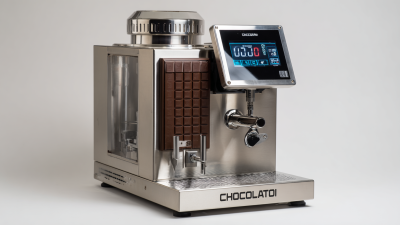
This guide explains seven practical tips for choosing a reliable machine. It considers batch size, chocolate type, temperature accuracy, cleaning, maintenance, energy use, and supplier support. Look closely at the details. A stainless-steel bowl is useful, but its capacity must match your daily workflow. A digital display seems convenient, yet stable temperature control matters more than attractive controls. Machines listed as Temperatrici per il cioccolato may also differ widely in design, performance, and service availability.

Real production experience teaches a simple lesson: small weaknesses become expensive during busy periods. A machine that struggles with couverture chocolate can delay orders and increase waste. A model that is difficult to clean may slowly affect flavor and hygiene. These risks deserve honest attention. Specifications can be incomplete, and user reviews may reflect different working conditions. Compare technical data with demonstrations, warranty terms, and feedback from professionals using similar recipes. No machine is perfect. Careful buyers leave room for doubt, test realistic workloads, and choose dependable performance over impressive promises.
7 Tips for Buying Chocolate Tempering Machines

Understanding Chocolate Tempering Machine Functions

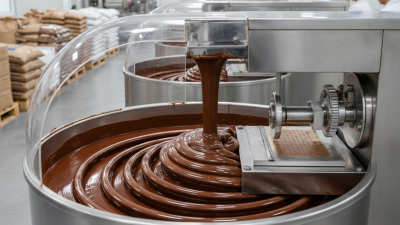
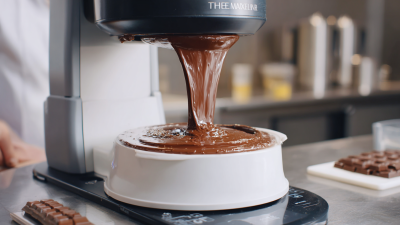
Understanding how a chocolate tempering machine works matters more than comparing cabinet size or advertised speed. In daily production, its core function is controlled heating, cooling, and gentle agitation. These stages guide cocoa butter crystals toward a stable structure. That structure creates glossy chocolate, a clean snap, and fewer pale streaks. Small temperature errors matter.

A reliable machine should display actual chocolate temperature, not only the programmed setting. Sensors monitor the bowl or working tank, while heaters respond to changing chocolate volume. Cooling may use air, water, or refrigerated systems, depending on the design. The agitator keeps heat distributed and reduces uneven crystallization around the walls. I check temperature recovery after adding solid chocolate. This practical test often reveals more than a brochure. Some machines temper beautifully at full capacity but struggle with small batches.

When assessing functions, examine holding mode, adjustable working temperatures, cleaning access, and emergency shutoff controls. A pump or auger should move chocolate smoothly without trapping air. For dark, milk, and white chocolate, separate settings improve repeatability. Still, settings are not magic. Room temperature, chocolate formulation, and loading habits affect the result. Operators should verify readings with a calibrated thermometer and record each batch. I once trusted a stable display and ignored thickening at the outlet; the display was right, but the process was wrong. This is why functional testing should include real production conditions, not an empty demonstration.

7 Tips for Buying Chocolate Tempering Machines – Understanding Chocolate Tempering Machine Functions
Tip Buying Dimension Machine Function to Understand What to Check Before Buying Practical Guidance
1 Choose the Correct Capacity The machine melts, holds, and tempers a defined quantity of chocolate. Its working capacity affects batch size, heating time, and production continuity. Compare the minimum and maximum working capacity rather than only the total bowl volume. Confirm that the machine can process your usual batch size without operating below its effective load. Small batches may suit tabletop units, while frequent production requires a larger heated reservoir or continuous tempering system.
2 Verify Temperature Control Tempering normally involves controlled heating, cooling, and reheating. These stages create stable cocoa butter crystals for a glossy finish and clean snap. Look for independent temperature sensing, adjustable set points, clear digital readouts, and stable temperature control. The control system should support different chocolate types. Typical working targets are approximately 31–32°C for dark chocolate, 29–30°C for milk chocolate, and 28–29°C for white chocolate, depending on the formulation.
3 Understand Tempering Methods Machines may use controlled cooling, agitation, seed chocolate, or a combination of these methods to form and distribute stable cocoa butter crystals. Identify whether the unit uses automatic cooling and agitation or requires manual seeding. Check whether the operating procedure is suitable for your recipes and staff skill level. Automatic systems can improve repeatability, while manual-seeding models may offer more process control but require closer monitoring.
4 Check Agitation and Mixing Continuous or intermittent agitation keeps the chocolate moving, distributes heat evenly, and helps maintain consistent crystal formation throughout the batch. Confirm the agitator speed, direction, removable parts, and ability to mix at low temperatures. Make sure the mixing action does not introduce excessive air into the chocolate. Gentle, consistent movement is generally preferable for molded chocolates, coatings, and fillings that require a smooth appearance.
5 Evaluate Heating and Cooling Performance Heating melts solid chocolate, while cooling brings it through the crystallization range. Consistent heat transfer reduces overheating and uneven tempering. Review heating power, cooling method, temperature recovery time, and whether the machine can maintain the target temperature during dispensing or repeated use. Water-jacketed or controlled thermal systems can provide even heat transfer; the best choice depends on capacity, workflow, and available utilities.
6 Prioritize Cleaning and Food Safety Food-contact components should allow thorough cleaning so that chocolate residue, allergens, and moisture do not compromise product quality. Check for stainless-steel food-contact surfaces, removable bowls or augers, accessible corners, smooth welds, and clear cleaning instructions. Verify electrical and food-contact safety documentation. Chocolate should be kept away from water during production and cleaning. All parts must be completely dry before chocolate is added.
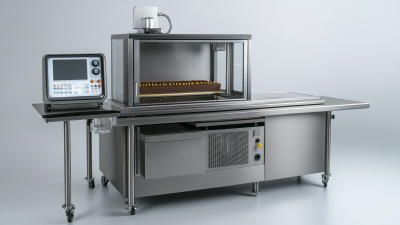
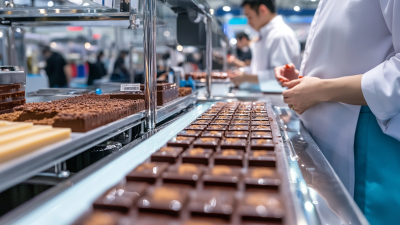
7 Match Dispensing and Workflow Needs Some machines provide gravity-fed dispensing, heated outlets, foot-pedal control, or continuous output to support molding, enrobing, dipping, and decoration. Assess outlet size, dispensing accuracy, nozzle access, control options, working height, power requirements, and compatibility with molds, trays, or an enrober. A machine that fits the complete workflow can reduce handling, temperature loss, product waste, and interruptions between tempering and depositing.

Choosing the Right Machine Capacity and Tempering Method

7 Tips for Buying Chocolate Tempering Machines

Choosing the Right Machine Capacity and Tempering Method

Choose capacity from your real weekly output, not your best sales day. A small workshop may need a 6–12 kilogram machine for controlled, frequent batches. Leave room for growth, but avoid paying for unused heating space. Bigger is not always better. I once overestimated demand, and the extra capacity slowed daily cleaning.

Match the machine to your chocolate and workflow. Dark, milk, and white chocolate can require different temperature settings. Check whether the machine offers accurate heating and cooling control. For occasional production, a batch tempering system may be practical and easier to monitor. For continuous production, a continuous tempering method can reduce repeated manual work. However, it usually requires steadier product flow and closer maintenance.

Review the operating details before buying. Look for an accessible bowl, simple drainage, and removable parts. Confirm that the stated capacity means usable chocolate, not total bowl volume. Ask about temperature accuracy under changing loads. Test the controls if possible. Small errors matter. Also check electrical requirements, workspace height, and cleaning time. A reliable machine should fit your staff’s habits, not just your production plan. Record actual batch times for two weeks, then compare them with the seller’s specifications. Some estimates sound convincing but remain optimistic.

Comparing Heating Systems, Controls, and Automation Features

Tip 1: Compare the heating system, not just the advertised capacity. Water-jacketed tanks usually provide gentle, even heat, while electric resistance systems can respond faster. During trials, measure chocolate temperature at several points, including the outlet. A warm surface can hide a cooler center.

The International Cocoa Organization’s 2023/24 report estimated global cocoa grindings at roughly 4.8 million tonnes. That scale increases pressure on processors to control waste, consistency, and energy use. For smaller kitchens, precise temperature control may matter more than maximum output. For production lines, heating recovery time becomes critical. I have found that a machine with slower recovery can disrupt an otherwise efficient workflow.

Tip 2: Examine the controls closely. Look for independent settings for melting, cooling, and holding. A readable display, alarm history, and sensor calibration access support reliable production. Controls should also prevent unnecessary temperature swings. Small errors become visible as dull surfaces, streaks, or weak gloss.

Tip 3: Treat automation as a labor tool, not a promise. PMMI industry reports repeatedly identify labor availability as a major reason manufacturers adopt automation. Automatic dosing, stirring, and temperature logging can reduce repetitive work. However, complex software may create new training problems. Test recipe changes with real operators. Check whether data can be exported for quality records. Avoid paying for functions your team will never use.

7 Tips for Buying Chocolate Tempering Machines

Compare heating systems, temperature controls, and automation features before selecting a machine.

Typical working temperatures are approximately 30–32°C for dark chocolate, 29–31°C for milk chocolate, and 28–30°C for white chocolate. Actual settings vary with cocoa content, formulation, and manufacturer instructions.

  1. Choose a heating system that provides even heat across the entire bowl.
  2. Check whether the machine uses precise digital temperature control.
  3. Confirm that temperature sensors are positioned to measure the chocolate accurately.
  4. Look for independent heating and cooling control when stable tempering is required.
  5. Evaluate automatic stirring, melt, temper, and holding programs.
  6. Verify bowl capacity against your normal batch size and production schedule.
  7. Check cleaning access, food-contact materials, safety features, and serviceability.

Evaluating Materials, Cleaning, Maintenance, and Safety

7 Tips for Buying Chocolate Tempering Machines

Choose food-contact stainless steel with smooth, corrosion-resistant surfaces. FDA Food Code 2022 emphasizes materials that are durable, nonabsorbent, and easy to clean. Check welds, corners, and seals for cracks where chocolate can harden. Small gaps become large hygiene problems.

Demand tool-free access to the bowl, scraper, pump, and outlet. Confirm that cleaning instructions specify temperatures, detergents, drying steps, and inspection points. CDC estimates that 48 million Americans suffer foodborne illnesses annually, with 128,000 hospitalizations. Chocolate is low in available water, but contaminated equipment still creates risk. Do not trust a glossy brochure alone.

Inspect wear parts before purchase. Ask how quickly scrapers, bearings, and temperature sensors can be replaced. Verify guards, emergency stops, over-temperature alarms, and restart protection. ISO 12100:2010 supports risk-based machine safety design. Record cleaning and maintenance tasks in a simple log. A practical weakness is often human: rushed operators may skip one hidden seal. Choose a machine that makes the correct action easier, not merely possible.

Assessing Costs, Energy Use, Warranty, and Supplier Support

Buying a chocolate tempering machine requires more than comparing purchase prices. A low quote may exclude installation, molds, spare parts, training, or service visits. Calculate the total cost over three years. Include electricity, cleaning time, repairs, and possible production delays. A cheaper machine can become expensive when one sensor fails during a busy order.

Energy use deserves practical testing. Check the machine’s rated power, standby consumption, heating speed, and batch capacity. A 6 kW unit may waste energy if your daily batches are small. Ask whether insulation reduces heat loss around the tank and pipes. If possible, measure consumption during heating and tempering, not only during idle operation. Real production rarely matches catalogue figures perfectly.

Warranty terms should state coverage periods, labor responsibility, transport costs, and excluded parts. Ask how quickly technical support responds and whether troubleshooting is available by phone or video. Supplier support matters after delivery. Request operating manuals, cleaning instructions, commissioning help, and spare-part availability. Speak with at least two existing users about response times and temperature stability. Do not rely on promises alone. A written service process is safer. Still, no checklist catches everything; staff training, water quality, and uneven chocolate loading can affect performance. Leave room for these overlooked details.