Digital Flatbed Printer Best Practices for Quality Printing?
In the rapidly evolving world of printing, the role of the Digital Flatbed Printer cannot be overstated. Industry expert John Smith, a leading figure in printing technology, states, "Quality starts with the right practices.” His insights remind us how critical best practices are for achieving exceptional print quality.
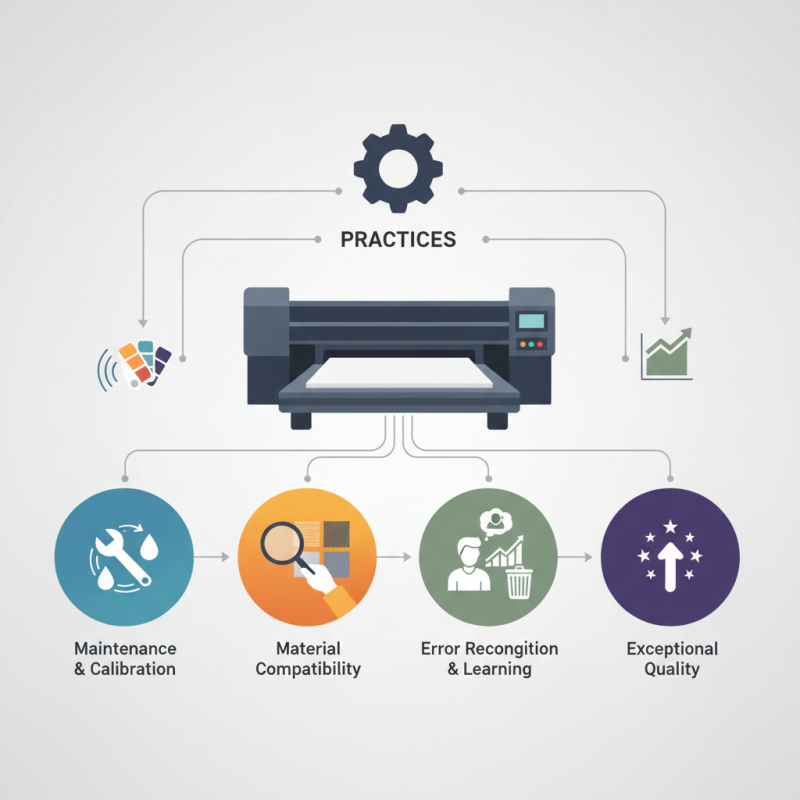
Digital Flatbed Printers offer versatility, allowing users to print on various substrates. However, many operators often overlook maintenance. Regularly calibrating the printer ensures colors remain vibrant. Poor printing practices lead to wasted materials and increased costs. An experienced operator knows that small adjustments can lead to remarkable improvements.
Additionally, understanding material compatibility is crucial. Not all inks work well on every surface. Missteps in this area can result in subpar outcomes. Reflecting on these common pitfalls can enhance the quality of printed products. The challenge lies in recognizing and learning from these mistakes to achieve excellence in digital printing.
Understanding Digital Flatbed Printers and Their Capabilities
Digital flatbed printers have transformed the printing landscape. They can print on various materials, from wood to glass. This versatility allows for creative designs that were challenging before. Their ability to print in high resolution ensures that details are sharp and vibrant. However, understanding their capabilities is crucial for achieving optimal results.
Flatbed printers use UV or eco-solvent inks to produce images. The print head moves across the surface, allowing for precise layering. Users often overlook the importance of proper calibration. Equipment that is not correctly set up can lead to inconsistent prints. Issues may arise, such as color mismatches or uneven surfaces. Regular maintenance can help, yet it’s often neglected.
One common mistake is choosing the wrong substrate. Not all materials are suitable for printing. Some may cause smudging or poor adhesion. It's essential to test and evaluate each material carefully. Deployment of the wrong settings can also lead to waste. This can be both costly and frustrating for users. Reflection on these points is vital for better practices in digital flatbed printing.
Key Factors Affecting Print Quality in Digital Flatbed Printing
When it comes to digital flatbed printing, several key factors can impact print quality. One significant element is the substrate choice. Different materials behave variably during printing. Smooth surfaces yield sharper images, while textured surfaces may create unpredictable results. Understanding the substrate’s characteristics is essential for achieving desired outcomes.
Another crucial factor is the printer settings. Resolution and ink density should be carefully calibrated. High resolutions can enhance detail but may lead to longer print times. Low-density settings might speed up production but sacrifice quality. This balance requires constant adjustments and testing. Regularly reviewing settings can prevent consistent pitfalls in print quality.
Lastly, maintenance plays a vital role. Clogged nozzles or dirty print heads can degrade image clarity. Regular cleaning routines should not be overlooked. Failing to maintain equipment may lead to wasted materials. Reflection on current practices can help identify weak points and improve overall print quality.
Step-by-Step Setup for Optimal Digital Flatbed Printing
Setting up a digital flatbed printer requires careful attention to detail. Start by placing the printer on a clean, stable surface. Ensure that there is enough space around the printer for airflow. This prevents overheating. Next, calibrate the printer by adjusting the print heads. Misalignment can lead to poor print quality. Use a test print to check for any discrepancies.
Selecting the right material is crucial. Test various substrates to find the best match for your printer. Each material behaves differently. Inconsistent feeding can cause issues like smudging or skipped lines. Pay attention to the settings for each substrate. A mismatch may ruin a project. Monitoring the ink levels regularly is important. Low ink can lead to faded prints.
It's essential to perform routine maintenance. Clean the print heads and replace worn components as needed. Neglecting this can impact the overall quality of the output. Keep a log of the maintenance tasks. This practice helps identify patterns and anticipate future needs. Deliberate attention to these details will greatly enhance your printing experience.
Digital Flatbed Printer Quality Metrics
Maintenance Tips for Enhancing Print Quality and Longevity
Maintaining a digital flatbed printer is crucial for achieving high-quality prints. Regular upkeep ensures vibrant colors and sharp details. Without proper maintenance, prints can easily become dull or misaligned. A study by Smithers Pira shows that poorly maintained printers can lose up to 30% print quality over time.
To enhance longevity, daily cleaning routines are essential. Use a soft cloth to wipe the printhead and surrounding areas. Dust accumulation can lead to print defects. Ensure ink levels are monitored regularly. Low ink can cause streaks.
Calibration is another critical aspect. Regularly check and adjust alignment settings. Even minor misalignments can affect the quality. In fact, around 15% of print jobs fail due to alignment issues, according to industry reports. Investing in a calibration tool can save time and resources in the long run.
Monitoring environmental conditions matters too. Keep the printer in a stable climate. High humidity and temperature fluctuations can damage components. Aim for an optimal environment to maintain quality. Remember, neglect can lead to costly repairs and unsatisfactory results.
Best Practices for Selecting Materials and Inks in Production
Selecting the right materials and inks is crucial for achieving high-quality prints with digital flatbed printers. Studies indicate that about 70% of print quality hinges on the chosen substrates. Different materials, such as PVC, wood, or metal, each react uniquely to ink types, impacting adhesion and durability. For instance, using a porous substrate may lead to ink bleed, while non-porous surfaces can enhance vibrancy.
Inks also play a vital role. UV curable inks tend to offer superior scratch resistance. However, the cost may be higher. According to market reports, using eco-solvent inks can reduce environmental impact, though they might not match UV inks in durability. Printer operators should evaluate the balance between cost and quality. The choice of ink can also affect color accuracy. Incorrectly matched inks and materials can lead to unsatisfactory results.
Moreover, consistency in material quality is essential. Variations in batch or supplier can result in unexpected printing outcomes. It's worth noting that around 30% of print jobs experience issues due to material discrepancies. Establishing a reliable supply chain is crucial for minimizing these challenges. Regular testing of new materials can help ensure optimal performance and address any quality concerns proactively.