China Best Aluminum Components Casting Solutions for Your Needs?
The demand for Aluminum Components Casting is on the rise. According to a recent industry analysis, the global aluminum casting market is projected to reach USD 123 billion by 2026, driven by advancements in technology and manufacturing processes. Aluminum's lightweight nature and resistance to corrosion make it a preferred choice across multiple industries including automotive and aerospace.
China stands out as a leader in Aluminum Components Casting solutions. With its robust production capacity, the country produced 42 million tons of aluminum in 2022, accounting for about 57% of the world’s total output. This expertise provides manufacturers access to high-quality components tailored to specific needs. Yet, challenges exist. Quality control and environmental regulations require constant improvement and innovation.
Engaging with experienced partners in China can help businesses navigate these complexities. Reliable casting solutions are essential for enhancing product performance and durability. As global competition intensifies, investing in efficient Aluminum Components Casting processes is critical for sustaining growth and meeting market demands.
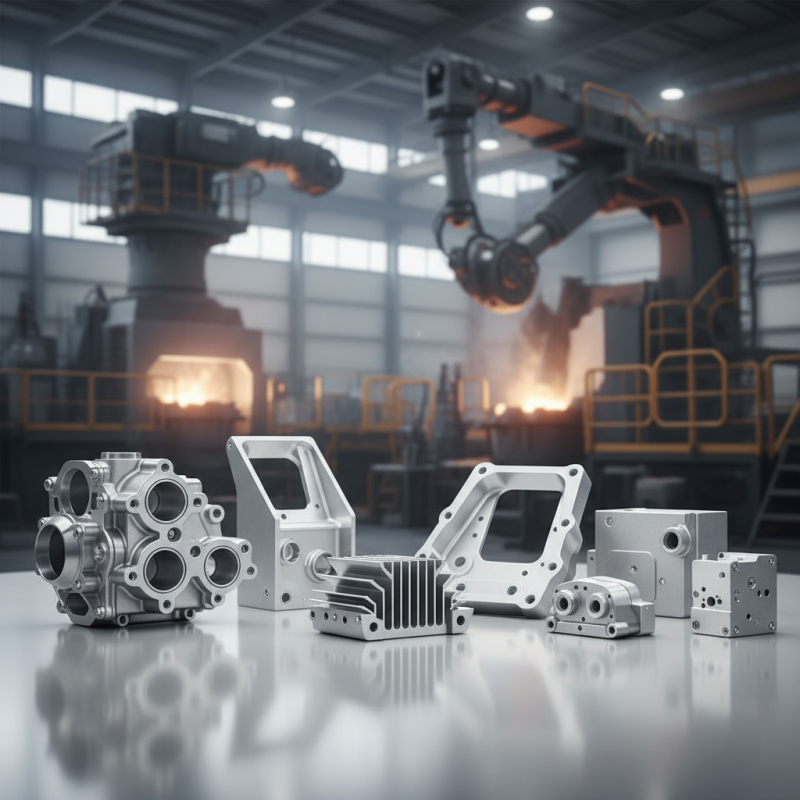
Overview of Aluminum Components Casting in China
Aluminum casting has become a crucial manufacturing process in China, catering to various industries such as automotive, aerospace, and electronics. According to a 2021 report by the China Nonferrous Metals Industry Association, the country produced approximately 34 million tons of aluminum alloy, making it the largest producer globally. This significant output highlights the expertise available within China's casting sector.
The precision of aluminum casting ensures that components meet strict tolerances, which is necessary for high-performance applications. Key techniques like sand casting, die casting, and investment casting are widely employed. However, the industry faces challenges such as quality control and environmental regulations. A 2022 study revealed that about 25% of operational aluminum foundries struggled with compliance, reflecting a need for improvement.
Furthermore, innovation in technology plays a vital role in enhancing efficiency. Companies are increasingly adopting automated systems to streamline production, resulting in reduced lead times. In 2020, a survey indicated that up to 40% of foundries were integrating smart manufacturing practices. While this progress is promising, the industry must continuously address issues of sustainability and waste management to maintain its competitive edge.
Key Advantages of Using Aluminum in Casting Processes
Aluminum casting processes have gained popularity in various industries due to their numerous advantages. Aluminum is lightweight yet strong. This unique combination makes it an ideal material for components that need to endure stress without adding unnecessary weight. The strength-to-weight ratio can lead to more efficient designs. Furthermore, aluminum has excellent corrosion resistance, which is vital in many applications.
In casting, aluminum allows for complex shapes and fine details. This versatility can reduce the need for additional machining. It enhances production efficiency and cuts costs. However, one must consider potential challenges, such as controlling the cooling rate to avoid defects. Understanding these factors is essential for achieving high-quality castings. Proper design and careful process management can significantly enhance outcomes.
Despite its many advantages, aluminum casting isn't without issues. Monitoring the melting process is crucial; overheating can lead to oxidation. This affects the quality of the final product. Regular quality checks during production can help mitigate these risks. A proactive approach enables teams to address problems before they escalate.
Advantages of Using Aluminum in Casting Processes
Popular Aluminum Casting Techniques and Methods
Aluminum casting is a vital process in manufacturing. Various techniques cater to different needs. Each method has its unique benefits and potential drawbacks.
One popular technique is sand casting. This method is cost-effective for low-volume production. It allows for complex shapes. However, the surface finish often requires additional machining. Another option is die casting. This provides high precision and excellent surface quality. Yet, it may not be the best choice for highly intricate designs.
Investment casting is another notable method. It produces complex parts with fine details. Unfortunately, it can be more expensive and time-consuming. Ultimately, the choice of technique depends on the specific requirements of the project. Materials, production volume, and budget also play significant roles. Understanding these factors is essential for making informed decisions.
Factors to Consider When Choosing a Casting Supplier
When selecting an aluminum casting supplier, experience plays a crucial role. A vendor with years in the industry understands the unique needs of various applications. They can provide insights into materials and processes that align with your specific requirements. Knowledge of industry standards is essential. Look for suppliers who adhere to quality and safety regulations.
Reliability is another key factor. A good supplier should have a proven track record of timely deliveries and consistent quality. This builds trust and ensures your projects proceed without interruptions. Seek references or reviews from past clients. This can highlight areas where the supplier excels and where they may fall short.
Consider the technological capabilities of the supplier. Advanced casting techniques lead to better precision and finish. However, not all suppliers invest in new technology. It’s essential to inquire about their equipment and processes. This can reveal their commitment to quality and innovation. Keep in mind their ability to accommodate custom requests, which may point to their flexibility and willingness to collaborate.
Future Trends in Aluminum Components Casting Industry
The aluminum components casting industry is evolving rapidly. Recent reports indicate that the market is projected to grow at a CAGR of 4.2% from 2022 to 2028. This growth is driven by advancements in technology and increasing demand for lightweight materials across various applications. Key sectors include automotive, aerospace, and consumer goods. As companies seek to enhance performance while reducing weight, aluminum casting presents a viable solution.
One significant trend is the shift toward automation and smart manufacturing. Many companies are adopting advanced techniques such as 3D printing and AI-driven processes. This transition not only improves efficiency but also enhances precision in casting. However, navigating these changes can be challenging. A lack of skilled workforce and initial investment costs may deter some businesses.
**Tip:** Investing in employee training can mitigate skills gaps. Emphasizing continuous education provides a competitive advantage.
Sustainability is another integral factor. Reports suggest that the circular economy in aluminum production is gaining traction. Recycled aluminum requires 95% less energy to produce than primary aluminum. While this presents an opportunity, challenges in recycling processes and quality control remain. Companies must balance sustainability with operational efficiency to remain relevant in this growing market.
**Tip:** Regular audits of recycling practices can identify inefficiencies, paving the way for improvement.
China Best Aluminum Components Casting Solutions for Your Needs
| Casting Method | Applications | Material Properties | Future Trends |
| Die Casting | Automotive, Electronics | High precision, Smooth surface finish | Increased automation and AI integration |
| Sand Casting | Heavy machinery, Artworks | Versatile, Good for complex shapes | Sustainability focus in materials |
| Investment Casting | Aerospace, Medical devices | High dimensional accuracy, Excellent finish | Innovations in 3D printing techniques |
| Permanent Mold Casting | Consumer Goods, Components | Good mechanical properties, Thin walls | Advanced simulation software for casting optimization |