Why Choose a Spray Painting Line for Your Business Needs?
In today's competitive market, efficiency and quality are paramount. Many businesses are turning to a Spray Painting Line to enhance their operations. According to a report by industry analysts, automated spray systems can improve productivity by up to 30%. This can significantly reduce labor costs and lead to faster project completion.
Investing in a Spray Painting Line allows companies to achieve consistent finishes with minimal waste. The precision of modern spray systems reduces paint overspray and improves resource usage. However, the initial investment can be daunting for some businesses. It requires careful consideration of both short-term and long-term gains.
Still, companies that embrace this technology report higher customer satisfaction rates. Enhanced efficiency leads to quicker turnarounds, which is increasingly crucial in a fast-paced market. Yet, it is important to reflect on potential maintenance challenges and skill requirements for operators. Balancing these factors can be key to a successful transition to a Spray Painting Line.
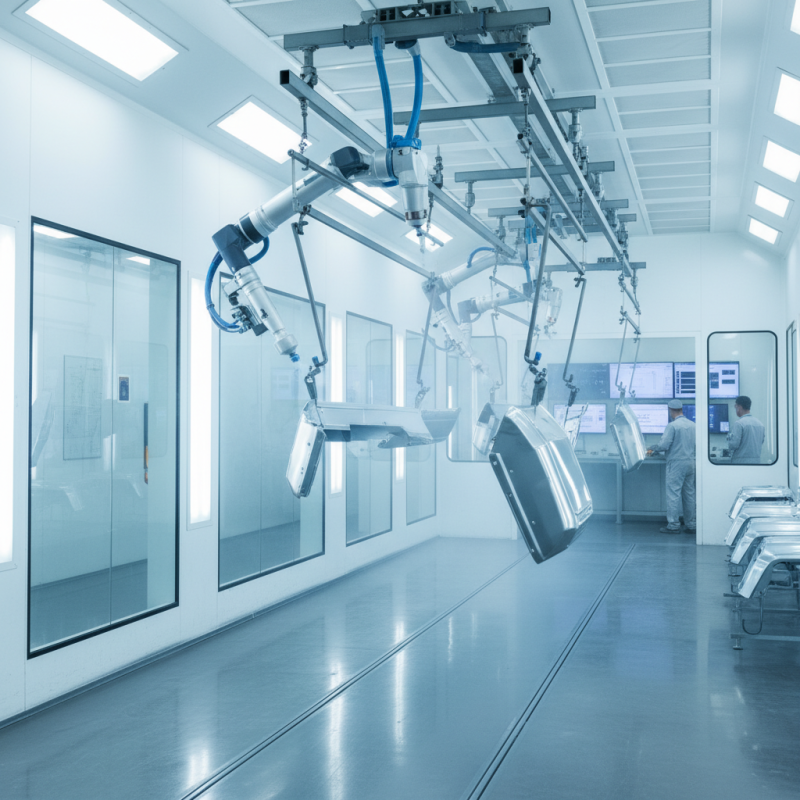
Advantages of Using a Spray Painting Line in Manufacturing
A spray painting line can significantly enhance manufacturing processes. It offers speed and efficiency in applying paint. According to industry reports, companies can increase their production speed by up to 30% when using automated spray systems. This not only improves output but also reduces manual labor costs. Automation minimizes human error, leading to higher quality finishes.
Another advantage is consistency in coating. Spray painting lines ensure even application across all surfaces. Reports indicate that this uniformity can decrease wasted materials by up to 20%. However, achieving optimal results requires meticulous setup and regular maintenance. Companies sometimes overlook maintenance, which can lead to uneven coverage or equipment failure.
Moreover, eco-friendly options are becoming more prevalent. Many spray painting lines now utilize water-based paints that emit fewer volatile organic compounds (VOCs). Environmentally conscious businesses recognize the importance of sustainability. However, these paints can sometimes require additional training for staff. Balancing efficiency and environmental responsibility poses challenges.
Key Components of a Spray Painting Line and Their Functions
A spray painting line is essential for many businesses. It is comprised of several key components. Each part plays a specific role in ensuring efficiency and quality.
The conveyor system transports items through the painting process. Properly calibrated speeds can minimize overspray and waste. The spray booths are designed for optimal ventilation. This prevents harmful fumes from spreading. Proper maintenance of these areas is crucial.
Dust accumulation can affect the paint finish.
Tips: Regularly check booth filters. This keeps air quality high and prolongs equipment life. Also, consider training staff on best practices.
Improper techniques can lead to uneven coats.
Another important component is the spray guns. These must be chosen based on the materials being coated. The type of paint and the item size will impact the selection. An ill-fitting gun may lead to paint runs or uneven finishes. Frequent inspection and cleaning of the guns are necessary.
Tips: Always adjust the nozzle size based on the task. This simple act can significantly improve results. Keep a log of maintenance checks.
Reflection on past issues helps optimize performance.
How a Spray Painting Line Enhances Product Quality and Consistency
Investing in a spray painting line can significantly enhance your product quality. This system allows for a more controlled application of paint, leading to an even coating. The precision of modern spray technology minimizes the chance of drips or inconsistencies. This level of detail is crucial for products that require a flawless finish.
Moreover, consistency is a key factor in production. By automating the painting process, businesses can achieve a uniform look across all items. This eliminates the variability often seen in manual painting. However, the operation and maintenance of these systems require careful monitoring. Sometimes, the equipment might need adjustments to achieve the desired output. Regular checks can prevent potential issues, maintaining high quality.
Additionally, while spray painting lines can boost productivity, they can also present challenges. Training staff to operate the machinery effectively is essential. Without proper understanding, the potential for errors increases. Reflecting on the workflow can lead to improvements, ultimately enhancing overall performance. Balancing efficiency and quality is an ongoing process that requires attention and adaptation.
Cost Considerations When Implementing a Spray Painting Line
Implementing a spray painting line can be a significant financial commitment. It is essential to evaluate the total cost of ownership (TCO). According to industry research, businesses often underestimate maintenance costs, which can reach 15-30% of the initial investment per year. This expense can severely affect the overall budget.
Labor costs are another area to scrutinize. Automating a spray painting line may reduce the need for manual labor. However, the initial installation can be expensive. Industry reports indicate that while automation can save up to 40% in labor costs over time, it often requires upfront investments that many businesses overlook. Employees will need training on new technology, adding to initial spending.
Energy consumption is also a factor. Spray painting lines can be power-hungry, with some systems consuming over 20% more energy than traditional methods. Companies must consider energy efficiency certifications when choosing equipment. Not all options are equal, and sometimes less efficient models may seem attractive due to lower upfront costs. This trade-off can lead to higher operational expenses.
Why Choose a Spray Painting Line for Your Business Needs? - Cost Considerations When Implementing a Spray Painting Line
| Cost Dimension | Estimated Cost (USD) | Description |
| Initial Setup | $50,000 - $200,000 | Cost of equipment, installation, and infrastructure. |
| Operational Costs | $5,000 - $15,000/month | Ongoing costs including labor, materials, and utility bills. |
| Maintenance | $1,000 - $3,000/month | Regular maintenance and unexpected repairs. |
| Training | $2,000 - $5,000 | Training costs for staff to operate the spray painting line safely and effectively. |
| Regulatory Compliance | $500 - $2,000/year | Costs related to meeting safety and environmental regulations. |
Maintenance and Safety Practices for Spray Painting Lines
Maintaining a spray painting line is crucial for safety and efficiency. Regular inspections can catch minor issues before they escalate. Keep the area clean and organized. Paint spills can lead to slips or other accidents.
Tip: Use non-slip mats in high-traffic areas. These mats reduce the risk of slipping. They are easy to clean and maintain.
Ensure proper ventilation in the workspace. Fumes from spray painting can be hazardous. Air quality must be monitored consistently. Install exhaust fans to help mitigate this risk.
Tip: Schedule regular air quality tests. This will help you identify any harmful substances that may be accumulating. Make adjustments as needed.
Training employees on safety protocols is essential. Even small lapses can lead to serious accidents. Encourage a culture of safety where every team member feels responsible. Regularly review safety practices and update them based on new findings or experiences.
Tip: Offer refresher courses. These courses keep safety top of mind. They also empower employees to contribute to a safer work environment. This ongoing effort can strengthen your team’s focus on safety and maintenance.