How to Choose the Best Flatbed UV Led Printer for Your Needs?
Choosing the right Flatbed UV Led Printer can be challenging. John Smith, a leading expert in printing technology, once stated, "Selecting the right printer is critical for your business success." This emphasizes the importance of making an informed decision.
When looking at Flatbed UV Led Printers, consider your specific needs and applications. These printers offer versatility for various materials. However, not all printers are created equal. Each model has unique features that may or may not suit your requirements.
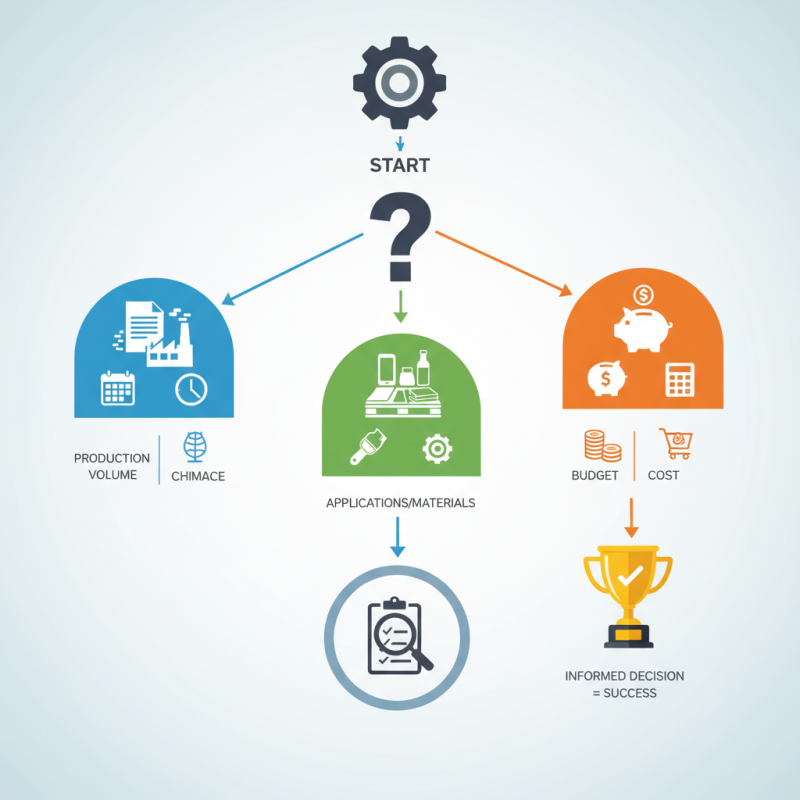
You need to reflect on your production volume and budget. Some printers might be too costly in the long run. Others may lack the essential functionalities you need. The choice is not as straightforward as it appears. Analyze your priorities and make sure to gather enough information. In the end, a well-considered decision will lead to better outcomes for your projects.
Understanding the Basics of Flatbed UV Led Printers
Flatbed UV LED printers are gaining popularity for their versatility and quality. They can print on various surfaces, like wood, glass, and metal. Understanding how these printers work is essential for making a good choice. They use UV light to cure ink instantly, allowing for quick production. This technology ensures vibrant colors and sharp details, which are critical for professional results.
**Tips:** Consider the print size. Large items may require bigger printers. Assess your material options. Some printers perform better on specific surfaces. Check the resolution too. Higher resolution means better quality but can slow down the process.
Another aspect to think about is the ease of use. Some printers come with advanced software that simplifies the process. However, if you're not tech-savvy, these can be overwhelming. It may take time to master. Look for user reviews that discuss usability.
**Tips:** Budget constraints are a common issue. Set yours early. Research operating costs, including ink and maintenance. Always ask what support is available. This can save time and headaches later.
Key Features to Consider When Choosing a Flatbed UV Led Printer
When selecting a flatbed UV LED printer, certain features play a vital role. Print size is one crucial aspect to consider. Larger projects require a printer with a bigger bed. This allows you to handle diverse materials, from metal to wood. Additionally, the thickness of the items you can print on matters. Check the printer’s specifications for its maximum media thickness.
Another important feature is print speed. For businesses, time is crucial. A fast printer can enhance productivity. However, higher speed may sometimes compromise print quality. Finding a balance here is essential. Look for a printer that offers adjustable speed settings. This helps in managing different print jobs effectively.
Tips: Pay attention to the resolution. Higher resolution leads to finer details. However, it also affects the speed and cost. Consider your primary use before making a decision. Remember to review customer feedback on reliability. It can provide insights into potential issues or limitations. A printer might have impressive specs but could still fall short in actual performance.
How to Choose the Best Flatbed UV Led Printer for Your Needs?
| Feature | Description | Importance |
| Print Area | Size of the maximum printable area, essential for different project requirements. | High |
| Resolution | Measured in DPI; higher DPI provides better image quality. | High |
| Print Speed | Speed at which the printer can produce output; important for efficiency. | Medium |
| Media Compatibility | Types of materials the printer can handle, such as wood, glass, and metals. | High |
| Ink Type | Types of inks (e.g., eco-solvent, UV ink) affect color vibrancy and durability. | Medium |
| Software Compatibility | Compatible design software and user interface ease of use. | Medium |
| Maintenance | Ease of maintenance and availability of technician support. | High |
| Cost of Ownership | Initial cost, as well as ongoing costs for ink and supplies. | High |
Comparing Different Brands and Models of Flatbed UV Led Printers
When choosing a flatbed UV LED printer, comparing different brands and models is essential. Not all printers are created equal. Some might excel in print quality but fall short in speed. Others might be the opposite. Understanding your specific needs will help you narrow down your options.
Tips for evaluation: Look for printers that can accommodate a variety of materials. A flexible setup is crucial if you want to work with different surfaces. Check the print resolution as well; higher resolution often means better detail. However, it might increase costs.
Another point to consider is the ease of use. User-friendly interfaces can save time and frustration. Some printers have advanced features but are difficult to operate. Ask yourself if the added complexity is worth it. Additionally, pay attention to customer support and warranty options. This can make a significant difference in your printer's lifespan.
In the end, reflect on your priorities. Do you value speed over quality? Can you afford a more expensive model with advanced features? Taking the time to answer these questions can lead to a better investment in the long run.
Assessing Your Printing Volume and Material Compatibility
When selecting a flatbed UV LED printer, assessing your printing volume and material compatibility is crucial. Industry data shows that businesses with high-volume needs often require printers that can handle large formats efficiently. A study by Smithers Pira indicates that UV printing is growing at a 10% annual rate, emphasizing the demand for versatile machines.
Consider the materials you plan to print on. Many printers can handle a variety of substrates, including plastics, glass, and wood. However, not all printers are created equal. Some may struggle with thicker materials or those that require specific curing settings. This could lead to wasted time and resources.
Tip: Evaluate your typical print jobs. If you frequently switch between materials, choose a printer with adjustable settings. This flexibility often makes a significant difference in quality and output.
Additionally, consider your volume needs. If your business sees fluctuating demand, a printer with faster print speeds can help manage peak times effectively. However, be cautious, as some high-speed models may compromise on detail.
Tip: Check reviews from others in the industry. Feedback on performance and reliability can provide insights you might overlook. It helps to learn from others’ experiences.
Budget Considerations and Cost of Ownership for Flatbed UV Led Printers
When considering a flatbed UV LED printer, budget is a primary factor. These printers vary widely in price. The initial cost may seem reasonable, but other expenses quickly add up. Maintenance, ink, and replacement parts chip away at your budget over time. It's crucial to think beyond the sticker price.
The cost of ownership is significant. Regular maintenance can be costly, and some parts wear down faster than expected. Ink usage can also fluctuate based on your projects. Some users find they need to invest in higher-quality inks for better results. This can impact your overall spending.
Think about your usage patterns. Are you printing in high volumes? If so, factor that into your calculations. A printer that seems affordable may not be if it's slow and consumes more ink. Sometimes, it’s hard to predict how costs will unfold with time, leading to potential over-expenditure. Taking a closer look at these aspects can guide you to make a more informed choice.
Cost of Ownership for Flatbed UV Led Printers