How to Choose Pipe Flanges for Pipeline Construction Needs?
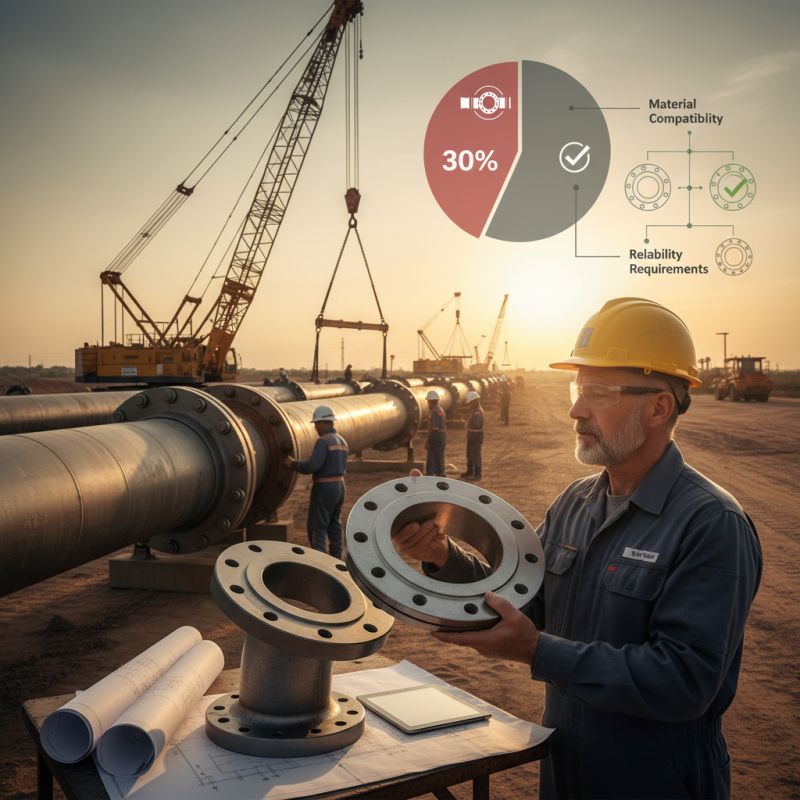
Choosing the right Pipe Flanges For Pipeline Construction is crucial. A poorly selected flange can lead to leaks and failures, impacting project safety and costs. According to a recent report by the American Society of Mechanical Engineers (ASME), 30% of pipeline failures result from improper flange selection. Understanding the materials and pressure ratings is essential.
Expert in pipeline construction, Dr. John McKenzie, emphasizes, "Selecting the right pipe flange can make or break your entire project." His insights highlight the importance of material compatibility and pressure requirements. Flanges must meet industry standards to ensure reliability and safety.
When considering pipe flanges for pipeline construction, it's vital to recognize the potential risks of inadequate choices. Each type of flange serves specific needs. Inadequacies can lead to expensive repairs and project delays. Awareness of these factors is necessary for making informed decisions, ensuring a successful pipeline operation.
Understanding the Different Types of Pipe Flanges Available
When selecting pipe flanges for pipeline construction, understanding the different types available is crucial. Flanges come in various styles, each with distinct characteristics and applications. Weld neck flanges are common for high-pressure systems. They provide strength and are suitable for thick-walled pipes. Blind flanges, designed to seal the end of pipes, prevent flow when closure is necessary. However, their usage can increase the cost of installation.
Another popular option is slip-on flanges, which are easier to install. They sit over the pipe and are welded in place. This type can be more forgiving during alignment, but they may not hold up under high pressure. Additionally, socket weld flanges can be used for smaller pipelines. They allow better flow characteristics but require precise alignment, which can complicate installation.
In choosing the right flange type, consider the piping system's pressure, temperature, and the fluid being transported. Recognizing these factors can help avoid potential issues like leakage. However, not all installations follow perfect standards. Sometimes, a compromise might lead to a less-than-ideal solution. Understanding the trade-offs is essential for achieving reliable pipeline construction.
How to Choose Pipe Flanges for Pipeline Construction Needs?
| Flange Type | Material | Pressure Rating (PSI) | Pipe Size (Inches) | Application |
| Weld Neck Flange | Carbon Steel | 150, 300, 600 | 2, 4, 6 | High-pressure applications |
| Slip-On Flange | Stainless Steel | 150, 300 | 1, 3, 5 | General piping applications |
| Blind Flange | Alloy Steel | 150, 300 | 3, 6, 8 | Pipe end closure |
| Socket Weld Flange | Stainless Steel | 150, 300, 600 | 1, 2, 4 | High-pressure applications |
| Threaded Flange | Carbon Steel | 150, 300 | 1, 2, 3 | Low-pressure systems |
Factors to Consider When Selecting Pipe Flanges for Construction
Choosing the right pipe flanges is essential for any pipeline construction project. Several factors influence this decision. Material compatibility is crucial. Different fluids may react differently with various materials. For instance, some chemicals can corrode certain metals. It’s vital to know what substance will flow through the pipes.
Pressure ratings also play a significant role. Flanges are rated for specific pressures. If the pressure exceeds the rating, failures can occur. Always check the pressure requirements before making a selection. Additionally, consider the temperature limits of the flanges. High temperature can lead to deformation. Each application requires a range of operating conditions.
Another factor is size and dimensions. Flanges must match the pipe sizes precisely. Misalignment can cause leaks or mechanical issues. It's essential to measure accurately. Also, don’t forget about the environment. Flanges used outdoors may need extra protection against weathering. Sometimes, it’s easy to overlook these subtle details. Each choice shapes the integrity of the pipeline.
Material Compatibility: Choosing Flanges for Specific Applications
Selecting the right pipe flanges for specific applications is crucial for pipeline integrity. One key aspect is material compatibility. Using the wrong flange material can lead to leaks or failures, causing safety hazards and costly repairs. For instance, a 2021 report from the Pipeline and Hazardous Materials Safety Administration highlighted that 30% of pipeline leaks stem from improper material use.
Stainless steel flanges are ideal for corrosive environments. They resist rust and chemical exposure. However, they may not be suitable in extremely high temperatures. PVC flanges can work well for low-pressure systems. Yet, their vulnerability to UV damage restricts outdoor usage. Flange failures often result from mismatched material properties. Thorough research on materials is essential.
Recent studies indicate that 40% of pipeline incidents are due to design flaws. Therefore, engineers must consider both mechanical and chemical compatibility. This means assessing temperature ranges and exposure to various substances. Testing flanges’ performance under field conditions is advisable. Data suggests that proactive assessments reduce failures significantly. Understanding the specific application conditions is key to effective flange selection.
The Importance of Flange Standards and Specifications
Flanges play a crucial role in pipeline construction. They create connections between pipes, valves, and other equipment. Choosing the right flange involves understanding various standards and specifications. These standards ensure safety, reliability, and efficiency. When flanges do not meet outlined specifications, the entire system may be compromised.
Each industry has unique requirements. For example, pressure ratings, material compatibility, and environmental factors influence flange selection. Utilizing industry standards like ANSI, ASTM, or ISO can guide the decision-making process. However, it is not always straightforward. Sometimes, the specified standards may conflict with actual operating conditions. Understanding these nuances can be challenging yet vital.
Furthermore, the importance of detailed documentation should not be overlooked. Proper records of flange specifications and testing are necessary for compliance and safety. Failure to document can lead to significant issues down the line. Often, small details get ignored, leading to larger problems. This overlap between compliance and actual use highlights the need for ongoing education in flange selection.
Installation and Maintenance Tips for Pipe Flanges in Pipelines
When installing pipe flanges, precision is key. Proper alignment ensures that flanges seal effectively, preventing leaks. Use a level and measuring tools during installation. This attention to detail can save time and resources later.
Maintenance of flanges is equally important. Regular inspections can identify wear and potential failures. Look for signs of corrosion and tightness. Early detection can prevent costly repairs. Don’t overlook gaskets; they play a crucial role in preventing leaks.
Here are some tips: Always clean flanges before reassembly. This reduces contamination and improves sealing. Replace gaskets when needed to maintain integrity. Use appropriate torque settings during installation for bolt fasteners. Remember, a lack of proper maintenance can lead to bigger problems down the line.