How to Choose the Best Refill Packing Machine for Your Needs?
Choosing the right Refill Packing Machine can significantly impact your business. This essential equipment is crucial for industries ranging from food to pharmaceuticals. With various options available, making an informed choice can be challenging.
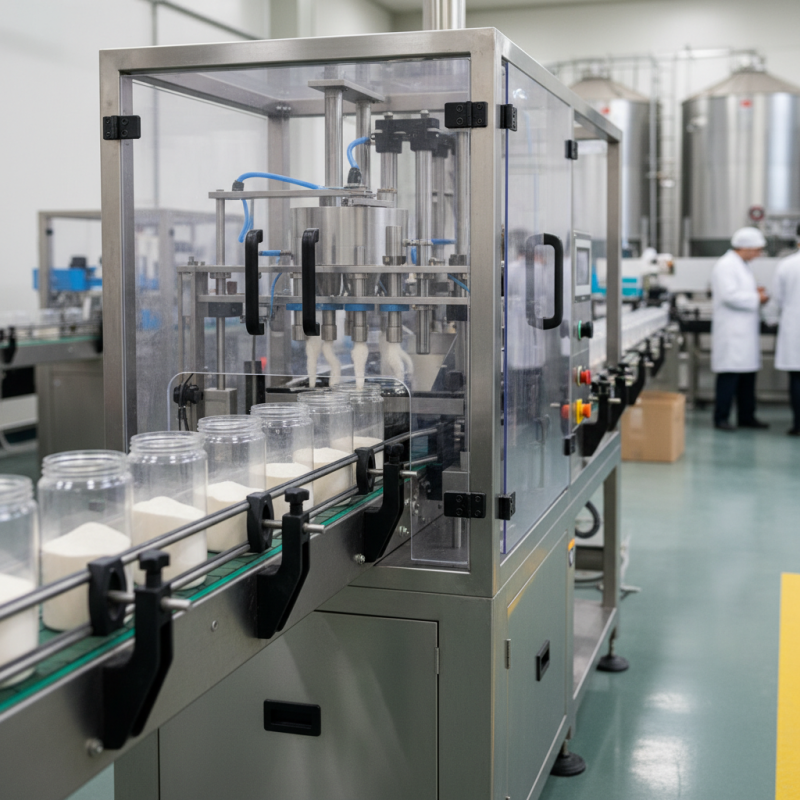
Understanding your specific needs is vital. Different machines offer varying functionalities, speeds, and capacities. Assess whether you need a machine that handles liquids, powders, or granular products. Take into account the volume of production. This will help narrow down your options.
Consulting industry experts can provide valuable insights. They can guide you on the reliability and performance of different machines. Keep in mind that a more expensive machine does not always mean better quality. Consider both initial costs and long-term maintenance. Ultimately, a thoughtful choice will enhance your operational efficiency and product quality.
Understanding the Different Types of Refill Packing Machines
When selecting a refill packing machine, understanding the various types can significantly impact your operations. Different machines serve distinct purposes, catering to diverse industries. For instance, vertical and horizontal filling machines offer flexibility in packaging formats. Vertical machines are ideal for liquids and granules, while horizontal models excel with bulky items.
Another crucial consideration is the automation level. Semi-automated machines require manual intervention, which can slow production. Fully automated machines, on the other hand, can boost efficiency but require substantial investment. It's essential to evaluate your budget versus production goals.
Regardless of the type, maintaining these machines can be challenging. Parts wear out, and frequent maintenance is necessary to ensure reliability. Understanding these nuances is vital. This knowledge fosters informed decisions and ultimately improves productivity. Consider seeking expert advice to navigate these complexities effectively.
How to Choose the Best Refill Packing Machine for Your Needs? - Understanding the Different Types of Refill Packing Machines
| Type of Machine | Best For | Capacity (Bags/Hour) | Features |
| Vertical Form Fill Seal Machine | Granular products, liquids | 500 - 2000 | Versatile, compact, easy to operate |
| Horizontal Form Fill Seal Machine | Pouches, stand-up bags | 300 - 1500 | Flexibility in design, reliable |
| Automatic Weighing and Filling Machine | Powder and granules | 200 - 1000 | High accuracy, fast operation |
| Liquid Filling Machines | Liquids | 250 - 1200 | Accurate, customizable filling |
| Multi-head Weigher | Snack foods, nuts | 600 - 2400 | Speedy, high-speed operations |
Assessing Your Product Characteristics for Packing Needs
When selecting a refill packing machine, understanding your product characteristics is essential. The type of product influences the machine's design and functionality. For instance, liquids, powders, and granules each require different packing mechanisms. According to a report by the Packaging Machinery Manufacturers Institute, around 40% of packaging failures occur due to a mismatch between the product and machine type. This indicates the importance of proper assessment.
Consider factors such as viscosity, particle size, and moisture content. Different viscosity levels can affect flow rates and, consequently, machine efficiency. A product with high moisture content may degrade quickly under certain conditions, requiring temperature control capabilities in the packing machine. Reports indicate that machines capable of handling variable flow rates increase operational efficiency by up to 25%.
Moreover, product stability during transit should also be assessed. If a product is fragile, the packing method must ensure minimal movement and impact. Specialized packing machines can mitigate potential damages. Learning from industry missteps is crucial; many companies have faced backlash for using incorrect packing solutions, leading to product recalls and financial losses. Understanding these nuances can significantly enhance your selection process and operational success.
Evaluating Speed and Efficiency Requirements in Packing Machines
When choosing a refill packing machine, speed and efficiency are critical considerations. Research shows that around 80% of packing operations prioritize speed, as delays can significantly impact productivity. A slow machine can lead to increased downtime, which companies cannot afford. Look for machines that offer adjustable speed settings to match your production rate. The right machine can enhance throughput and reduce labor costs.
Tip: Evaluate your production capacity before making a decision. Determine how many units you need to pack per hour. This assessment helps ensure that the machine you choose meets, or even exceeds, your demands. Reports indicate that machines with speeds over 50 packs per minute can substantially boost efficiency for mid-sized operations.
Efficiency is not just about speed; it's also about accuracy. A machine that operates quickly but mispacks frequently wastes resources and time. Aim for machines with proven accuracy rates of 98% or higher. Investing in technology that includes sensors and automation features can lead to significant improvements. It’s essential to balance speed with these quality metrics, as errors can affect customer satisfaction and return rates.
Tip: Always consider the machine's maintenance needs. A high-speed machine may require more regular servicing. Understanding these aspects can lead to better long-term investments. Though fast machines seem appealing, they might not be ideal for every scenario. Balancing performance with reliability is crucial.
Considering Budget and Cost-Effectiveness of Machines
Selecting the right refill packing machine hinges on budget and cost-effectiveness. A careful assessment of your financial limits is essential. Machines vary widely in price, features, and efficiency. Evaluating initial costs alongside long-term expenses is crucial to make a sound decision.
Consider the operating costs of each machine. Higher upfront costs may lead to greater savings over time through faster production or lower maintenance needs. Analyze production speed and cycle times. A machine that works efficiently can lower labor costs and minimize downtime. Additionally, think about the versatility of the equipment. It might be worth investing more if it can adapt to various product types.
Don't overlook the reliability of the machines. Inexperienced buyers sometimes focus solely on price. However, a cheaper machine might result in frequent repairs and lost productivity. Research customer reviews and expert opinions. Gathering feedback can highlight potential pitfalls. It's important to consult with professionals who understand the intricacies of packing machines. Balancing cost with performance is essential for long-lasting investments. Reflecting on these factors can lead to better choices for your operation.
Identifying Key Features and Technologies in Packing Equipment
When selecting a refill packing machine, understanding its key features and technologies is essential. Recent industry reports indicate that over 45% of packing machinery failures stem from inadequate technology match. This highlights the importance of assessing compatibility with your workflow. A machine that offers flexibility can adapt to various product types, whether liquids or powders. A proper evaluation can increase production efficiency by up to 30%.
Consider automation and speed as vital elements. Machines that support high-speed operations can handle over 200 packs per minute. This is critical for businesses aiming to scale. Look out for user-friendly interfaces. Complexity can lead to longer training times and decreased productivity. A machine with intuitive controls can cut training time by 50%.
Moreover, focus on the durability and maintenance needs of the machine. Some machines may require frequent replacements or repairs, causing unexpected costs. Reports show that proactive maintenance can extend machinery life by over 20%. Evaluate each machine's warranty and service agreement. Unforeseen downtimes can be disruptive. Thus, meticulous consideration of these features is crucial for informed decision-making.