What is Cnc Metal Parts and Why Are They Essential for Business?
Cnc Metal Parts play a crucial role in modern manufacturing. These components are engineered using Computer Numerical Control (CNC) machining, ensuring precision and quality. According to a recent report by MarketsandMarkets, the CNC machining market is projected to reach $117.89 billion by 2026, demonstrating significant growth. This demand reflects the reliance of various industries on reliable Cnc Metal Parts.
Businesses in aerospace, automotive, and electronics increasingly depend on these components. Customized Cnc Metal Parts enable manufacturers to create highly specific designs. This enhances efficiency and reduces production time. However, companies must ensure they maintain strict quality control standards. A report published by Grand View Research highlights that quality assurance in CNC machining is essential to meet changing market needs.
While Cnc Metal Parts offer advantages, there are risks to consider. The complexity of production could lead to errors if not managed properly. Regular audits and reviews can mitigate these issues. The importance of Cnc Metal Parts cannot be overstated, as they form the backbone of efficient manufacturing processes across various sectors.
What are CNC Metal Parts?
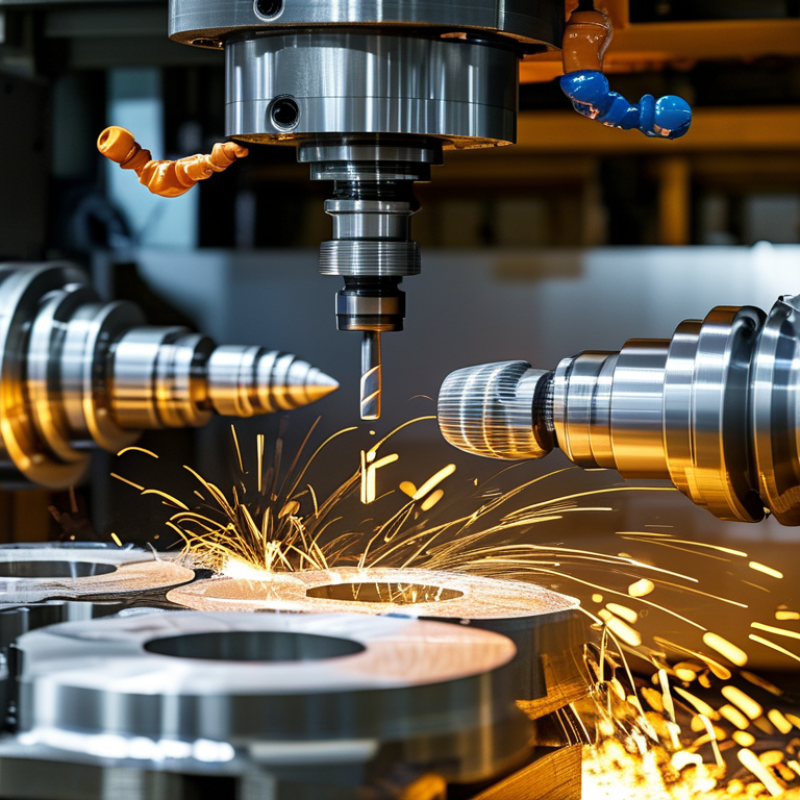
CNC metal parts refer to components manufactured using Computer Numerical Control technology. This method uses precise computer programming to control machinery that shapes metal. The result is highly accurate parts that meet specific design criteria. Industries heavily rely on these parts for production and assembly.
These components play a vital role in various sectors, including automotive and aerospace. They can be created from different metals, such as aluminum, steel, or titanium, each chosen for specific properties. For example, aluminum is lightweight and corrosion-resistant. In contrast, steel offers strength and durability. Each selection presents unique challenges that require careful consideration.
Despite the advantages, there are pitfalls. Over-reliance on CNC technology can lead to skill gaps. Workers might lose hands-on experience as automation takes over. Additionally, programming errors can result in costly mistakes or delays. Therefore, businesses should balance automation with human oversight to maintain quality.
The Process of CNC Machining Explained
CNC machining, or Computer Numerical Control machining, is a crucial process in manufacturing metal parts. It relies on computerized controls to operate machine tools. This technology enhances precision, scalability, and efficiency. Using CAD (Computer-Aided Design) models, CNC machines cut, drill, and shape materials into desired forms. The ability to replicate complex designs consistently makes CNC machining vital for various industries.
The process begins with designing the part on CAD software. This design is then translated into code that directs the CNC machine. Operators must monitor the machine closely during production. This oversight ensures accuracy and identifies any discrepancies in real-time. While CNC technology is highly reliable, human error can still creep in. Proper training and experience are essential to mitigate these risks.
In practice, the machining process can bring challenges. Not every design translates smoothly into production. Sometimes, adjustments are necessary to ensure the finished part meets specifications. Companies benefit from embracing this iterative approach. Continuous improvement in design and process fosters innovation, ultimately enhancing product quality.
Applications of CNC Metal Parts in Various Industries
CNC metal parts play a crucial role across various industries. In the automotive sector, these precision-engineered components improve performance and efficiency. Customized brackets or engine parts enhance vehicle functionality and safety. Manufacturers rely on CNC machining to produce items with tight tolerances. It allows for streamlined production and reduces human error.
The aerospace industry also benefits from CNC metal parts. Lightweight and durable components are essential for aircraft. These parts must withstand extreme conditions, making precision crucial. In this case, even a small flaw can lead to failures. The medical industry requires similar reliability. Surgical instruments and implants must be precisely machined for both safety and effectiveness. Healthcare professionals depend on high-quality parts in critical situations.
CNC metal parts offer versatility. However, they can also present challenges. Cost and complexity sometimes lead to production delays. Companies must balance quality with efficiency. Understanding how to optimize these processes is key. As technology advances, businesses must adapt. Inconsistencies in materials can pose risks as well. Awareness of these factors is vital for any manufacturer.
What is Cnc Metal Parts and Why Are They Essential for Business? - Applications of CNC Metal Parts in Various Industries
| Industry | Application | Material Used | Advantages |
| Automotive | Engine components, brackets | Aluminum, Steel | High precision, durability |
| Aerospace | Structural components, fittings | Titanium, Aluminum | Lightweight, corrosion-resistant |
| Medical | Surgical instruments, implants | Stainless Steel, Titanium | Biocompatible, precision machining |
| Electronics | Casings, brackets | Aluminum, Copper | Thermal conductivity, lightweight |
| Energy | Turbine components, structural parts | Steel, Nickel alloys | High strength, resistance to extreme conditions |
Advantages of Using CNC Metal Parts for Businesses
CNC metal parts play a vital role in modern manufacturing. They ensure precision, quality, and efficiency. Businesses rely on these components for their reliability. Accuracy is essential in industries like aerospace, automotive, and medical devices. Customized CNC metal parts can meet specific design needs. This flexibility allows for innovation and creativity in product development.
Using CNC metal parts brings several advantages. First, they enhance productivity. Automation in the CNC process reduces human error. This makes production faster and more efficient. Consistent quality is another benefit. Each part is made to precise specifications. This reduces waste and leads to cost savings over time.
Tips for businesses: Invest in training staff on CNC technology. Understanding the equipment can optimize output. Furthermore, regularly review CAD designs. Improvements can lead to better part performance. Lastly, consider collaborating with experienced manufacturers. Their insights can elevate product quality and reliability. Reflecting on these aspects will enhance overall business operations.
Future Trends in CNC Machining and Metal Parts Production
The future of CNC machining and metal parts production is evolving rapidly. Innovations are driving efficiency and precision. Automation is becoming a standard in many workshops. Machine learning enhances the ability to predict maintenance needs. This reduces downtime and improves productivity. Manufacturers are increasingly adopting these technologies to stay competitive. However, the integration process is not always smooth.
Sustainability is another focal point in CNC machining. More businesses are exploring eco-friendly materials and processes. This transition can be challenging. Companies must invest in training and new machinery. The goal is to minimize waste while maximizing output. However, achieving these targets often requires significant resources and commitment.
As industries move forward, the demand for customized parts grows. Clients want tailored solutions that fit their needs. This trend pushes manufacturers to adopt flexible machining methods. Nevertheless, the balance between customization and cost-efficiency can be tricky. It's essential to continuously evaluate these processes. Doing so helps ensure that businesses meet evolving market demands while remaining profitable.
CNC Metal Parts Production Trends
The graph above illustrates the projected production volume of CNC metal parts over a five-year period. As businesses increasingly turn to CNC machining for manufacturing precision components, the demand for CNC metal parts is anticipated to grow significantly, reflecting advancements in technology and production capabilities.