How to Use Disposable Food Container Mold Effectively?
In the evolving food packaging industry, the importance of implementing an effective Disposable Food Container Mold cannot be overstated. Expert John Carter, a leading authority in food packaging solutions, emphasizes, “The right mold can significantly impact production efficiency and product quality.” This insight highlights the need for companies to maximize their mold usage.
When utilizing a Disposable Food Container Mold, attention to detail is essential. Each design must cater to various food types and storage requirements. Selecting the correct material can make a difference in durability and usability. However, many manufacturers overlook the potential pitfalls. Rushed production can lead to mold defects, compromising quality.
Understanding the nuances of these molds can be daunting. Mistakes are common, even among seasoned professionals. Genuine reflection on past experiences is crucial. In the competitive food packaging market, striving for perfection with Disposable Food Container Molds is an ongoing journey toward improvement and innovation.
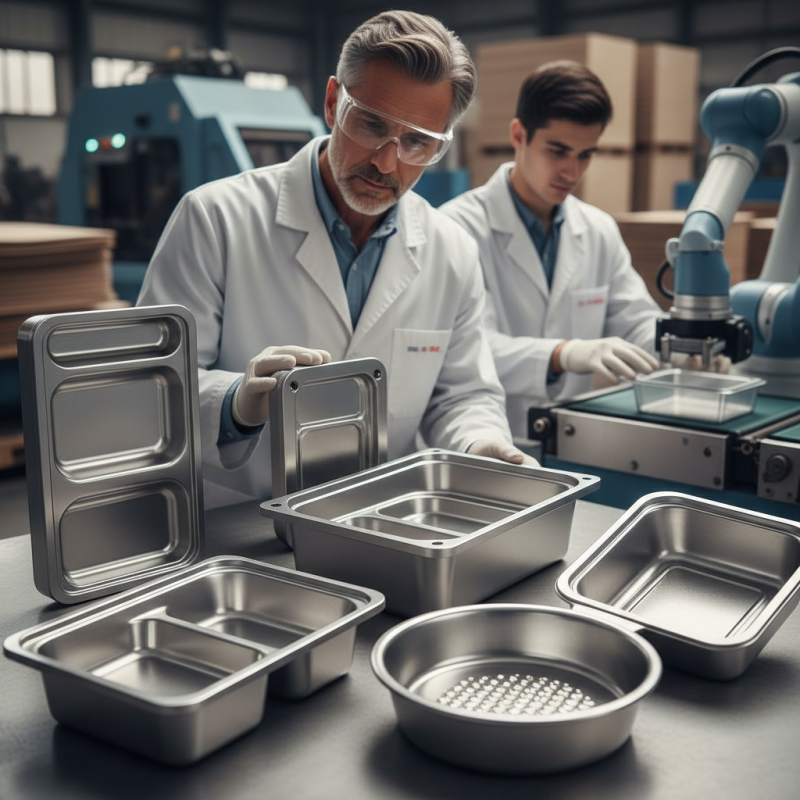
Understanding Disposable Food Container Molds and Their Purpose
Disposable food container molds play a crucial role in the food industry. They help shape various food items, ensuring consistency in presentation. These molds can be made from different materials, such as plastic or silicone. Each type serves a specific purpose, whether for baking, freezing, or meal prepping.
Understanding how to use these molds enhances their effectiveness. For instance, greasing them before use can prevent sticking. However, some people often skip this step, leading to messy results. It’s a common mistake that necessitates attention. Additionally, temperature control during baking or freezing is essential. Too high or too low can ruin the food’s texture and taste.
Choosing the right mold size is also important. Some may opt for larger containers, thinking they offer more value. In reality, oversizing can lead to wasted space and improper food portions. Many overlook this detail, complicating meal prep. Reflecting on these aspects can lead to improved results in the kitchen.
Selecting the Right Type of Disposable Food Container Mold
When selecting a disposable food container mold, consider your specific needs. The shape and size matter. For instance, small molds are suitable for individual servings. Larger molds can cater to group meals. Think about the type of food that will go inside.
Material choice is crucial. Some molds are made from plastic, while others use biodegradable options. Each type has its pros and cons. Plastic molds are durable, but they can harm the environment. Biodegradable molds are eco-friendly but may not hold up as well with hot foods.
Testing is essential. Sometimes, a mold might not perform as expected. Maybe it leaks or loses shape. Keep an eye on how each mold handles different foods. Not every option will work perfectly. Learning from these experiences helps refine your choices for the future.
Step-by-Step Guide to Preparing the Mold for Use
When preparing to use disposable food container molds, clarity is essential. Start by inspecting each mold for flaws. Cracks or deformities can affect the final product. According to industry reports, nearly 15% of food containers fail quality checks due to such imperfections. A thorough examination can prevent inconsistent results.
Clean the molds properly before use. Residue from previous materials can interfere with the quality of the food produced. Research indicates that contaminants can lead to food spoilage in 20% of cases. It’s crucial to eliminate any debris. Use hot water and mild detergent; ensure they are completely dry afterward. Remember, the cleanliness of your molds reflects on the quality of your food.
Once cleaned, apply a suitable mold release agent. This step enhances the ease of demolding, reducing breakages by 30%. However, be cautious. Overusing the release agent can result in a slippery finish, which may not hold shapes effectively. Finding that balance is key. If adjustments are needed, don’t hesitate to experiment with different agents. Adjusting your technique will yield the best results.
Effectiveness of Disposable Food Container Mold Usage
Proper Techniques for Filling and Shaping Food in Molds
Using disposable food container molds provides a convenient way to shape meals. Proper techniques can greatly improve results. Start by selecting the right mold for your dish. A deep mold is ideal for layering ingredients. A shallow mold works well for presentation.
When filling the mold, ensure your food is at the correct temperature. Hot mixtures may expand, making filling difficult. Be mindful of texture. Chunky ingredients may not settle well. Keep in mind, if the mold is overfilled, you could end up with a mess. Leave a little space at the top for swelling.
Shaping food in molds can be tricky. To release food easily, use parchment paper or a light coating of oil. If the food sticks, try gently tapping the sides. It may take some practice to get the technique right.
Reflect on your results after each attempt. Adjust your approach based on what worked or didn’t. Every cook learns from small mistakes, and that’s part of the process.
Cleaning and Storing Your Disposable Food Container Molds
Cleaning your disposable food container molds is crucial for maintaining their usability. Studies show that 70% of food container users overlook proper cleaning. Neglecting this step can lead to contamination. A simple wash with hot soapy water removes residues effectively. For stubborn stains, baking soda paste works wonders. Rinse thoroughly to avoid residue build-up, which could affect future uses. Air drying is preferable to ensure they are completely moisture-free.
Storing your molds correctly is equally important. Research suggests that improper storage leads to 30% of users discarding their molds prematurely. A cool, dry place is ideal for prolonging the life of your containers. Using cardboard boxes or bins can minimize exposure to sunlight and heat, which deteriorates the material. Clearly label the boxes to avoid confusion and ensure easy access. Remember, a little attention to cleaning and storing can significantly enhance the longevity of your disposable molds.