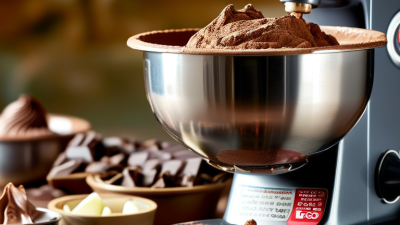
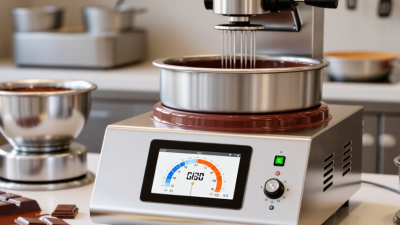
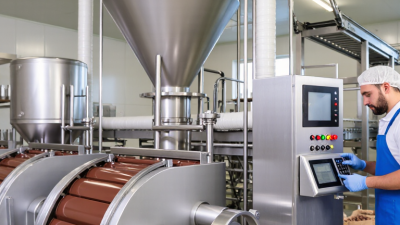
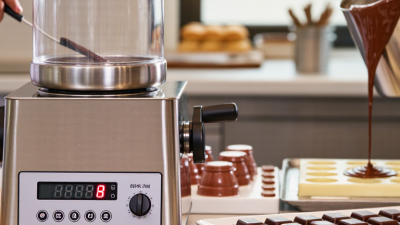
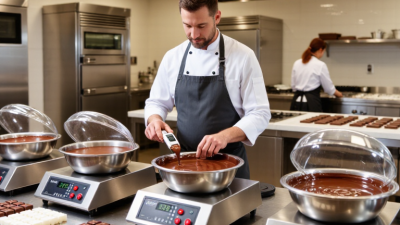
A compact tempering machine can turn a small workbench into a more reliable chocolate station. It can also become an expensive ornament if its capacity, temperature control, and cleaning routine do not match daily production. Buyers comparing the Top 10 Small Chocolate Tempering Machines should look beyond advertised kilograms per hour. Consider batch size, heating method, bowl access, continuous operation, and the space left beside the machine for molds and cooling racks.
The market context is substantial, but it does not prove demand for any one machine. Grand View Research estimated the global chocolate market at USD 119.39 billion in 2023 and projected a 4.8% compound annual growth rate from 2024 to 2030. That figure describes chocolate products, not small tempering equipment. Keep the distinction clear. Peter P. Greweling, a Certified Master Baker and author of Chocolates and Confections, teaches that successful chocolate work depends on controlling cocoa-butter crystallization. Put practically, temperature readings matter only when paired with sound technique.
For artisan shops, culinary classrooms, and serious home makers, a temperatrice cioccolato piccola may offer useful control without claiming factory-scale output. Look for steady tempering, readable controls, and a bowl that is easy to scrape clean. Small batches matter. A machine may still need careful testing with the chocolate and room conditions you actually use. This guide compares practical strengths and trade-offs, while recognizing that no single model suits every workspace.
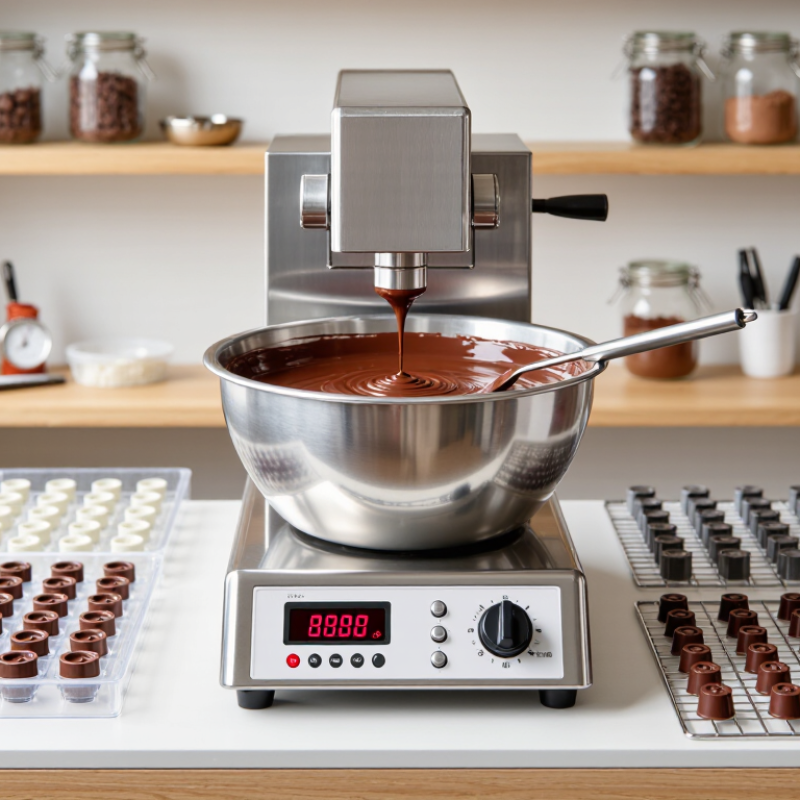
A small chocolate tempering machine controls melting, cooling, and gentle reheating while its agitator keeps the chocolate moving. This cycle encourages stable cocoa-butter crystals, helping finished pieces set with a clean snap and glossy surface. Beckett’s Industrial Chocolate Manufacture and Use (2017) gives a typical dark-chocolate working range of about 31–32°C; milk and white chocolate usually need lower settings. The exact curve depends on the recipe, so the display is a guide, not magic.
Inside the machine, a sensor tracks temperature as the bowl cools the chocolate, then the heater raises it back to working temperature. Keep the scraper and bowl evenly coated; a cold patch near the wall can disrupt the batch. Afoakwa, Paterson, and Fowler’s 2008 study in the International Journal of Food Science & Technology linked tempering and fat crystallization to chocolate’s microstructure, mechanical properties, and appearance. Small changes matter. In practice, tiny batches can also respond quickly to room temperature, which is easy to underestimate.
Tips: Test a small sample on parchment before molding. It should begin setting evenly, without streaks. Record the recipe, room temperature, and machine readings; readings alone can mislead. Clean, dry tools are essential, because even a little water may make chocolate seize.
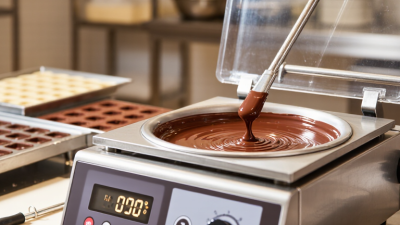
Compact chocolate tempering machines generally fall into two types: tabletop batch units and small continuous-flow units. Batch models suit short runs, recipe trials, and small kitchens. They heat, cool, and rewarm chocolate in one bowl, with a scraper or agitator helping maintain an even texture. Continuous units feed chocolate through a controlled heating and cooling path, making them more suitable for repeated production. They need steady loading and careful cleaning.
Capacity, temperature control, and agitation matter more than a small footprint alone. Look for clear temperature displays, adjustable speed, and parts that are easy to remove. Grand View Research estimated the global chocolate market at USD 119.39 billion in 2023 and forecast a 4.8% annual growth rate from 2024 to 2030. That market outlook suggests ongoing demand, but it does not guarantee that a larger machine is right for every buyer. A compact unit can still struggle when batches vary or room temperatures shift.
Tips: Test your usual chocolate quantity before buying. Check the machine’s minimum working load, not just its maximum capacity. Keep a thermometer nearby; a display may not reflect the chocolate’s actual temperature. Small details matter.
| Type | Typical Working Capacity | Tempering Method | Key Features | Best Suited For |
|---|---|---|---|---|
| Manual seed-tempering melter | About 1–3 kg per batch | Controlled melting with manual seed addition and stirring | Simple controls, small footprint, low equipment complexity; requires operator skill and temperature checks | Hobbyists and very small production runs |
| Compact tabletop batch temperer | About 3–6 kg in the bowl | Automated heating, cooling, and agitation | Programmable temperature cycles; suitable for molding, dipping, and small confectionery batches | Small shops and test kitchens |
| Medium tabletop batch temperer | About 6–12 kg in the bowl | Automated batch tempering with continuous mixing | Larger working bowl than entry-level units; check minimum working load as well as maximum capacity | Artisan chocolatiers with regular daily production |
| Removable-bowl temperer | About 3–8 kg per batch | Automated batch tempering in a detachable bowl | Bowl can be removed for transfer or cleaning; confirm whether spare bowls are available | Workspaces that change chocolate types or recipes frequently |
| Microwave-assisted tempering system | About 1–5 kg per batch | Short heating cycles combined with seeding or controlled cooling and mixing | Fast melting can save bench space; careful stirring and temperature monitoring are important | Small batches, demonstrations, and occasional production |
| Compact continuous temperer | Typically about 10–30 kg per hour | Continuous multi-stage heating, cooling, and agitation | Provides a steady flow of tempered chocolate; output depends on chocolate type and operating conditions | Businesses with repeatable, ongoing production needs |
| Compact continuous temperer with enrobing belt | Typically about 10–25 kg per hour | Continuous tempering feeding a coating belt | Combines tempering and coating in one workflow; belt width and cooling arrangements affect throughput | Small-scale production of coated centers, bars, or biscuits |
| Tabletop temperer with dipping attachment | About 3–8 kg per batch | Automated batch tempering with manual or assisted dipping | Supports dipping and enrobing tasks without a full production line; accessories vary by configuration | Truffles, fruit, nuts, and small dipped products |
| Compact wheel or screw temperer | Typically about 5–15 kg per hour | Continuous tempering through a cooled and heated processing path | Designed for a consistent feed; confirm cleaning access and the permitted range of chocolate viscosities | Small production rooms needing steady output in a compact footprint |
| Compact tempering and cooling-line system | Typically about 10–20 kg per hour | Continuous tempering paired with a cooling conveyor or tunnel | Supports a more continuous molding or coating workflow; requires additional floor space and suitable ventilation | Growing artisan businesses moving beyond batch production |
Capacity figures are indicative ranges for compact equipment categories, not specifications for a particular machine. Actual working capacity and throughput vary with design, chocolate type, recipe, and operating conditions.
Top 10 Small Chocolate Tempering Machines Compared: the real differences are capacity, temperature control, and cleanup. Compact heated-bowl machines suit occasional batches, while removable bowls make scraping and washing easier. Continuous-feed units keep chocolate moving, but may take more counter space than their small footprint suggests. Mini-wheel designs can handle steady dipping work. They are less convenient when recipes change often.
Manual temperers cost less to operate, though they demand close attention and frequent stirring. Induction-heated models respond quickly, but careful temperature checks still matter. Water-jacketed designs can warm gently; inspect seals and cleaning instructions before choosing one. Multi-zone machines offer finer control, while basic countertop units keep setup simple. Programmable models reduce repeated adjustments, but the display cannot correct poor technique. Small matters. Compare usable bowl capacity, not just the outer dimensions. A narrow worktop, a low ceiling, or limited storage can change the best choice. Before buying, check how easily you can reach the bowl, drain excess chocolate, and clean moving parts. Not every feature earns its place. I would also compare the stated working capacity with the batch size you actually make; published figures may not reflect your recipe or workflow.
When comparing small chocolate tempering machines, look beyond the hopper’s stated capacity. That number describes how much chocolate the machine can hold, not necessarily how much it can temper consistently in an hour. Estimate your busiest production period, then account for mould changes, refills, and cleaning. A shop making several small batches may need less capacity than a business preparing one continuous run. The distinction matters.
Write down your usual batch size and the number of batches you expect to complete each day. Then check whether the machine can maintain a stable working temperature while you dispense chocolate into moulds or coat products. A unit that is too small may require frequent pauses; an oversized one can leave chocolate sitting unused. That can mean extra handling and avoidable waste. Test it.
Ask suppliers how capacity is measured and whether figures refer to a full bowl or working output. If possible, run a trial with your actual chocolate and workflow. Note the time needed to melt, temper, and refill, rather than relying on a quick demonstration. Small machines can also behave differently in a cool kitchen and a warm production room. I would treat advertised throughput as a guide, not a promise. Real output depends on the operator, recipe, and pace of work.
A small tempering machine should fit your real batch size, not an ambitious production forecast. Grand View Research’s Chocolate Market Size report estimated the global chocolate market at USD 119.39 billion in 2023. That figure signals broad demand, but it cannot tell a small maker how much chocolate to temper each day. Track your own order volumes, peak periods, and product mix before comparing machine capacities.
Temperature control is central to consistent crystal formation. Check whether the machine offers clear setpoints, stable heating and cooling, and a readable display. Ask how quickly it recovers after adding solid chocolate. A few degrees of drift can affect shine, snap, and release from moulds. Small batches matter. Test the machine with your own couverture, moulds, and room conditions; a supplier’s demonstration may not match a warm, busy kitchen.
Also compare cleaning time, minimum batch size, footprint, and electrical requirements. Scraping a narrow bowl after every run can quietly consume production time. Confirm which parts contact chocolate and how they are removed for cleaning. A machine with extra capacity may look reassuring, yet leave chocolate waiting between orders. That is not always efficient. Request operating instructions and maintenance guidance, and check whether the machine can handle your intended chocolate types before buying.
Key Buying Criteria for Choosing a Tempering Machine
Temperature control, batch capacity, and tempering method are often central considerations when comparing small tempering machines. The percentages are an illustrative buyer-priority model, not survey results or product specifications; actual needs depend on production volume, workspace, and operating requirements.
Utilizziamo i cookie per migliorare l'esperienza utente. Per maggiori informazioni, consulta la nostra Cookie Policy.