Top 10 Professional Chocolate Tempering Machines?
Choosing among the Top 10 Professional Chocolate Tempering Machines requires more than comparing prices, heating ranges, or hopper capacity. A reliable temperatrice cioccolato professionale must control temperature precisely, maintain stable crystal formation, and support repeatable production during busy service. The global chocolate market continues expanding. Grand View Research valued it at approximately USD 119 billion in 2023, while MarketsandMarkets forecasts continued growth through 2029. That growth increases pressure on chocolatiers to improve consistency, reduce waste, and protect product quality.
Jean-Pierre Wybauw, a respected Belgian chocolate educator, explains the core principle clearly: “Control the crystals, and you control the chocolate.” His statement reflects practical workshop experience. A glossy shell, clean snap, and smooth mouthfeel depend on disciplined thermal control. Small temperature swings can create streaks, dull surfaces, or unstable decorations. Machines do not remove every risk.
They only make errors easier to identify.
This guide evaluates ten professional models through usable criteria, including batch size, tempering method, cooling performance, sanitation, energy use, and operator control. Industry reports provide market context, but daily production reveals the real differences. A compact machine may suit a boutique kitchen, while an automatic continuous tempering system may better serve a high-volume bakery. Neither choice is universally correct. That is worth remembering.
The strongest option depends on couverture type, workflow, maintenance support, and the operator’s skill. We also consider imperfect realities, such as learning curves, cleaning time, and occasional calibration needs. Practical evidence matters more than impressive specifications.
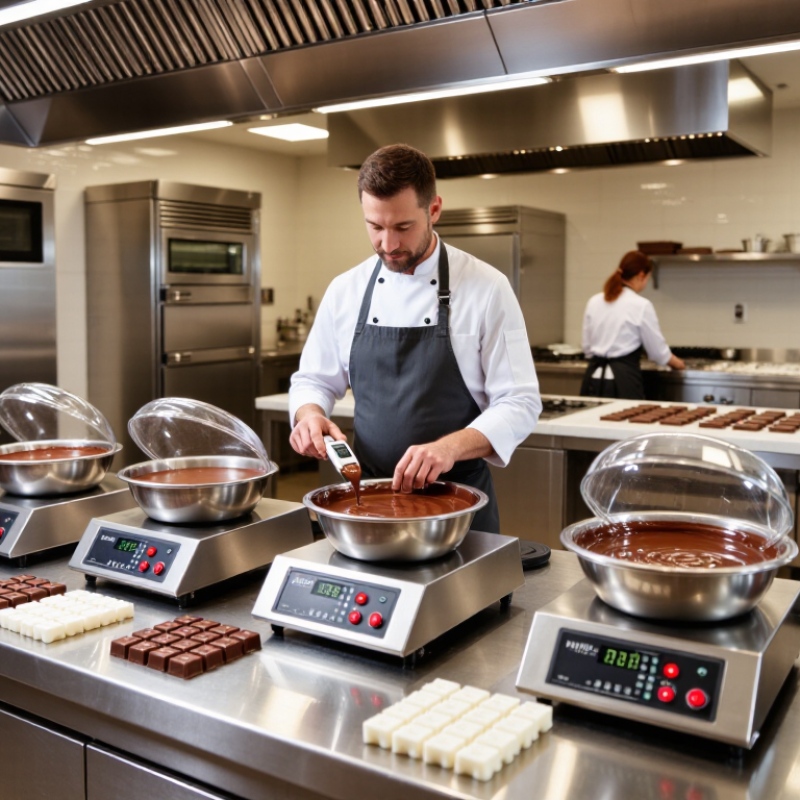
What Defines a Professional Chocolate Tempering Machine
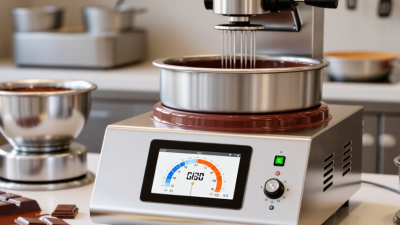
A professional chocolate tempering machine is defined by control, consistency, and practical usability. It should hold chocolate within a narrow temperature range, often within about 0.5°C during stable operation. This matters because small changes can affect shine, snap, and release from molds. Reliable sensors, steady heating, and controlled cooling are more important than a polished exterior. A clear display also helps operators monitor every stage without guessing.
Capacity must match real production needs. A small workshop may value precise batch control, while a busy kitchen needs continuous output and quick cleaning. Food-safe stainless steel, removable parts, and simple sanitation procedures support dependable daily use. In practice, no machine removes every mistake. Chocolate quality, room temperature, and operator timing still influence the result. That is an easy detail to underestimate.
Tips:
Test the machine with a small batch before full production. Check the chocolate temperature with a calibrated external thermometer. Record melting, cooling, and working temperatures for each recipe. Keep the bowl and scraper completely dry; even a little water can thicken chocolate suddenly. Ask whether the machine recovers quickly after adding solid chocolate. A professional model should make corrections easier, not hide them. When comparing the top 10 professional chocolate tempering machines, judge repeatable performance before extra features.
How Chocolate Tempering Technology Works
Top 10 Professional Chocolate Tempering Machines
Choosing among the top ten professional chocolate tempering machines requires more than comparing capacity. Tempering technology controls heat, cooling, and movement with careful timing. These stages encourage stable cocoa butter crystals to form. The result is chocolate with a glossy surface, clean snap, and better resistance to softening.
A machine usually melts chocolate above its crystal-melting range. It then lowers the temperature before gently reheating the mixture. This process removes unstable crystals while preserving the desirable structure. Internal sensors monitor the bowl temperature, while paddles or pumps keep the chocolate moving. Even circulation matters. A cold corner near the bowl wall can create uneven texture.
In a working kitchen, details become important. A 10-kilogram batch may need different settings from a small test batch. Dark, milk, and white chocolate also respond differently because their cocoa butter and milk solids vary. Experienced operators check the chocolate with a thermometer and a small knife test, rather than trusting the display alone. Displays can drift. Sensors need calibration, and cooling systems need clean airflow. I have found that rushed loading often causes dull streaks later. That mistake is easy to overlook. A reliable machine should offer steady temperature control, simple cleaning access, and clear adjustment options. However, automation does not replace judgment. Room temperature, humidity, chocolate formulation, and batch size can still change the final result.
Top 10 Professional Chocolate Tempering Machines by Use Case
Top 10 Professional Chocolate Tempering Machines by Use Case
Choosing a professional chocolate tempering machine starts with the workload, not the appearance. In a pastry kitchen, I look at batch size, temperature stability, cleaning time, and operator skill. A reliable machine should hold chocolate within a narrow temperature range and recover quickly after dipping.
For small artisan batches, use a compact tabletop temperer. For busy bakeries, choose a continuous tempering machine. A heated bowl suits molded chocolates and seasonal products. A dipping-focused model helps confectioners coat truffles evenly. Enrobing work needs steady flow and adjustable belt speed. A machine with a large hopper fits hotel buffets and event production. For teaching kitchens, simple controls reduce training errors. A mobile temperer works well for demonstrations and market stalls. High-volume factories need automated dosing and cooling integration. For nut-free production areas, choose equipment with removable parts and clear cleaning access.
Measure the real batch size carefully. Oversized equipment may waste energy and chocolate. Undersized equipment may cause uneven tempering during peak hours. I have found that a clean scraper, accurate probe thermometer, and documented temperature checks remain essential. Machines do not replace judgment. Chocolate can look glossy while its crystal structure is still unstable. Maintenance also matters: inspect seals, remove residue before it hardens, and record calibration dates. Some specifications appear impressive, but actual recovery time can differ during cold-room production. Test the machine with your preferred chocolate before purchasing.