Chocolate coating is no longer a simple finishing step. It directly affects product appearance, texture, shelf life, and production efficiency. Buyers now compare machine design with greater care, especially as premium snacks, filled biscuits, bars, and seasonal products expand across global markets.
Market research supports this shift. Grand View Research’s 2024 Chocolate Market Size report estimated continued market growth through 2030, supported by premiumization and product innovation. IMARC Group also reported strong chocolate industry expansion in its 2024 market analysis, with manufacturers investing in automation and consistent quality. These figures do not identify one perfect machine. They show why equipment selection deserves practical evaluation.
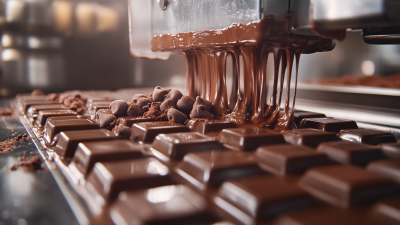
This guide examines the main 2026 types of chocolate coating machines, including enrobing lines, curtain coaters, bottomers, and compact batch systems. Each option suits different production conditions. A continuous enrober may handle uniform biscuits efficiently, while a smaller tempering and coating unit can support flexible batches. Consider the details. Chocolate should flow evenly across the wire mesh, return cleanly to the tank, and remain stable during tempering.
Experienced buyers should inspect coating width, pump accuracy, cooling capacity, belt speed, sanitation access, and temperature controls. Energy consumption matters too. So does operator training.
The Italian search term “Macchine per la ricopertura con cioccolato” reflects growing interest in specialized coating equipment. However, specifications alone can mislead. A high-capacity machine may perform poorly with delicate centers or frequent product changes. This overview combines reported market evidence with production-focused criteria, while recognizing that supplier claims still require testing, samples, and site-specific validation.
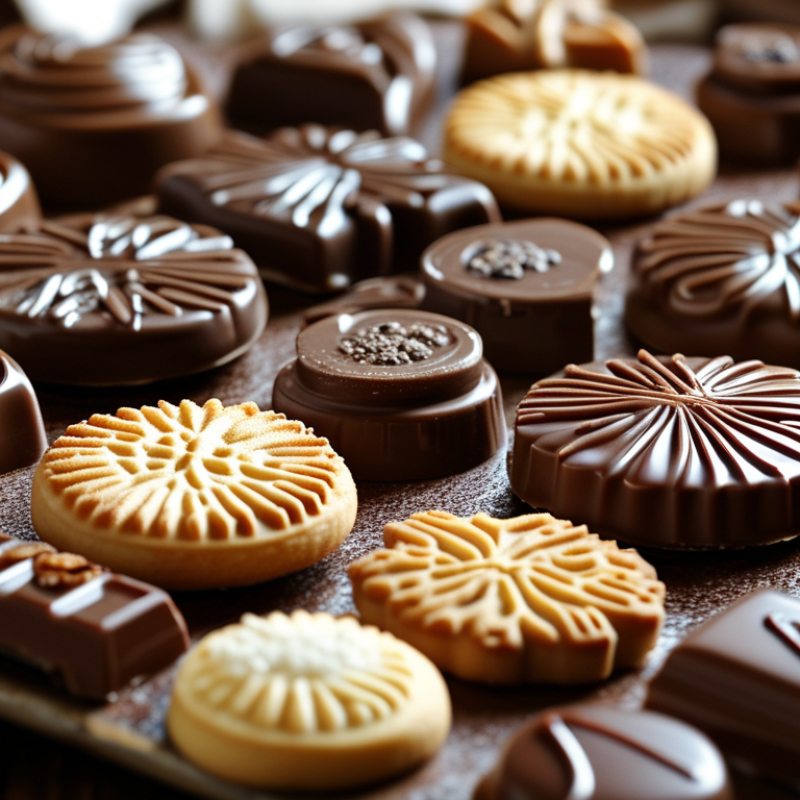
Chocolate coating machines are industrial systems that cover centers with a controlled layer of melted chocolate. The centers may include biscuits, nuts, fruit pieces, wafers, or confectionery bars. A typical machine moves products across a continuous belt while a curtain, enrober, or bottoming unit applies chocolate evenly. Temperature matters greatly. Chocolate that is too cool may look thick and dull, while overheated chocolate can lose its intended texture.
The main purpose is consistency. These machines control coating thickness, product spacing, belt speed, and cooling time. A vibrating section removes excess chocolate from the product surface. A cooling tunnel then sets the coating gradually, helping prevent cracks, fingerprints, and uneven gloss. For small batches, compact enrobers offer practical control. Larger production lines may use automatic tempering systems, multiple coating heads, and extended cooling tunnels. The correct choice depends on product size, output targets, cleaning access, and available floor space.
Experienced operators check chocolate flow at the start of every shift. Small changes in room temperature can affect the coating quickly. Sensors improve control, but they do not replace inspection. A coating may appear attractive while hiding weak adhesion underneath. This is an easy mistake. Buyers should request test runs using their actual centers and recipe. They should also examine washdown design, spare-part access, energy use, and operator training. No machine performs perfectly without proper calibration, careful cleaning, and realistic production planning.

Coating pans or rotating drums work differently. Products tumble gently while chocolate is added in controlled amounts. This design fits nuts, centers, clusters, and irregular pieces. Operators can adjust the coating thickness, but results depend heavily on loading quantity and rotation speed.
Small batch machines are practical for testing, seasonal products, and limited daily output. They usually require more manual handling. That can increase labor, but it also gives operators closer visual control.
Medium-scale buyers often choose semi-automatic enrobing lines with separate tempering and cooling units. Industrial plants may need continuous systems, wider belts, automatic product feeding, and longer cooling tunnels.
Capacity should not be judged by belt width alone. Chocolate viscosity, product shape, coating percentage, and cleaning time affect real output. A machine rated for high production may perform poorly with delicate products or frequent recipe changes.
I have found that maintenance access is often overlooked during purchasing. Tight spaces around pumps and scrapers can turn a simple cleaning task into lost production time. Test samples before ordering. Small differences in coating finish matter.
Choosing among the top types of chocolate coating machines requires understanding their operating stages. The process usually begins with chocolate melting and controlled tempering. Temperature stability matters because cocoa butter crystals determine gloss, snap, and surface strength. A tempering unit heats, cools, and gently reheats the chocolate within a narrow range. Small temperature changes can affect the final coating.
The prepared chocolate then moves to the coating stage. Enrobing machines cover centers with a continuous chocolate curtain. Bottomers apply chocolate beneath products, while depositing systems place measured layers on selected surfaces. Adjustable pumps help control coating thickness and reduce waste. Operators should check flow speed, curtain coverage, and product spacing during production. Uneven spacing can create thin edges or exposed centers.
Cooling follows immediately. A cooling tunnel removes heat gradually and supports stable crystallization. Excessive cooling may cause cracking, while insufficient cooling leaves a soft or dull surface. Conveyors, air circulation, and tunnel temperature must work together. At the discharge point, staff inspect gloss, thickness, and adhesion before packaging. In practice, the first batch is rarely perfect. Even experienced operators may need to adjust viscosity or belt speed. A reliable machine should make these corrections simple, measurable, and repeatable. Worker access also matters, since cleaning and inspection often reveal problems that sensors miss.
Key operating stages in the chocolate coating process
The chart shows indicative throughput ranges commonly associated with major chocolate coating machine formats. Continuous enrobing systems are generally selected for high-volume production, while curtain, belt, and batch coating systems support different product sizes, coating thicknesses, and production flexibility requirements.
Choosing among enrobers, curtain coaters, and panning machines requires more than comparing advertised capacity. Each machine suits a different production rhythm. Enrobers deliver continuous coverage, while panners handle smaller batches and irregular centers. According to Grand View Research, the global chocolate market was valued at approximately USD 127.88 billion in 2023. That scale increases pressure for stable output, clean changeovers, and repeatable coating thickness.
Start with coating control. Check the curtain width, pump adjustment, belt speed, and temperature stability. A practical trial should measure coating weight at several belt positions. Small differences can create visible streaks on finished pieces. The machine should also support accurate tempering, because chocolate leaving the tempering unit too warm may set slowly or develop poor gloss. Food processing reports from Mordor Intelligence identify automation and energy efficiency as major equipment investment drivers. Ask for real power consumption, not only the motor rating.
Cleaning design deserves equal attention. Look for tool-free access, drainable tanks, removable screens, and documented sanitation procedures. A compact footprint is useful, but cramped piping can make cleaning frustrating. I would not trust a brochure alone. Request a product trial using your actual chocolate and center shapes. This often reveals vibration, uneven enrobing, or difficult belt washing. Digital controls can record temperature and speed, although excessive automation may confuse operators without proper training. The better choice is usually the machine that performs consistently during ordinary production, not only during a polished demonstration.
| Machine Type | Best Application | Typical Capacity | Coating Control | Essential Features to Compare | Advantages | Main Limitations |
|---|---|---|---|---|---|---|
| Continuous Chocolate Enrober | Biscuits, wafers, bars, cakes, snacks, and centers requiring a consistent full or partial chocolate shell | Approximately 50–2,000 kg/h, depending on belt width and configuration | High; controlled by chocolate temperature, pump flow, curtain height, belt speed, and vibration | Adjustable coating curtain, bottomer, variable-speed belt, product spacing control, cooling tunnel compatibility, recipe control, and easy belt removal | High output, repeatable coating thickness, and efficient integration with production lines | Higher purchase cost, larger footprint, and greater cleaning requirements than batch equipment |
| Batch Chocolate Coating Machine | Small and medium production runs, seasonal products, and multiple recipes | Approximately 10–200 kg per batch | Medium to high; depends on agitation, temperature stability, product loading, and operator settings | Accurate temperature controller, insulated tank, agitator, drain valve, variable-speed pump, and programmable batch timer | Flexible product changeover, lower initial investment, and suitable for different coating materials | Lower throughput and more operator involvement than continuous systems |
| Chocolate Panning Machine | Nuts, dried fruit, centers, lentils, confectionery pieces, and products with rounded or irregular shapes | Approximately 5–500 kg per batch | Medium; coating uniformity is influenced by drum angle, rotation speed, spray or pour rate, and drying air | Variable-speed drum, adjustable tilt, controlled chocolate dosing, warm or dehumidified air, inspection access, and removable contact parts | Well suited to irregular products and layered coatings; supports flexible batch production | Longer cycle times and less precise coating thickness than a continuous enrober |
| Chocolate Curtain Coater | Flat, molded, or regularly shaped products requiring a smooth top coating or one-sided coverage | Approximately 100–1,500 kg/h, based on curtain width and line speed | High for top-surface coverage; bottom and side coverage may require additional equipment | Uniform curtain width, flow adjustment, heated hopper, product alignment, belt-speed control, and overflow recovery | Smooth visual finish, simple product path, and efficient chocolate distribution | Not ideal for highly irregular shapes or products needing complete bottom and side coverage |
| Chocolate Bottoming Machine | Biscuits, cookies, pralines, bars, and centers requiring a chocolate base layer | Approximately 50–1,000 kg/h | High for bottom-layer thickness when the product is stable and properly aligned | Adjustable coating roller, product guide rails, doctor blade or scraper, belt-speed control, and chocolate recirculation | Reduces chocolate usage compared with full enrobing and improves base-layer consistency | Provides limited coverage and requires consistent product orientation |
| Molded Chocolate Coating and Shell Line | Filled chocolates, hollow shells, pralines, bars, and products made in rigid molds | Approximately 200–2,000 kg/h, depending on mold size and line width | Very high when tempering, depositing, vibration, cooling, and demolding are synchronized | Tempering unit, servo or precision depositor, mold preheating, vibration table, cooling tunnel, mold handling, and level sensors | Accurate shell thickness, repeatable weight, and strong automation potential | Requires compatible molds, careful temperature management, and a higher level of process control |
| Tabletop or Compact Coater | Cafés, test kitchens, craft confectionery, product development, and very small batches | Approximately 5–50 kg/h | Medium; highly dependent on manual loading and operator consistency | Compact footprint, thermostat accuracy, insulated reservoir, removable parts, low-shear pump, and simple controls | Low space requirement, lower investment, and convenient recipe testing | Limited throughput, less automation, and generally lower coating uniformity than industrial lines |
Maintenance, safety, and buying discipline should guide every chocolate coating machine purchase in 2026. Operators should inspect the curtain, tempering section, pumps, belts, and cooling tunnel daily. Hardened chocolate often hides inside nozzles and scraper edges. It can distort coating thickness within hours. A written cleaning schedule helps, but real operating experience still matters. Some schedules look perfect on paper and fail during peak production.
OSHA estimates that proper lockout/tagout procedures prevent about 120 deaths and 50,000 injuries annually. Chocolate coating machines should therefore include accessible isolation points, guarded drive systems, and clear restart warnings. Buyers should verify sanitation access without climbing over hot surfaces. NFPA 79 also supports documented electrical protection and emergency-stop design for industrial machinery. Ask suppliers for risk assessments, wiring diagrams, spare-part lists, and maintenance intervals. Do not rely on attractive brochures.
Energy use deserves closer attention. The U.S. Department of Energy reports that industrial motor systems consume a major share of manufacturing electricity, making efficient drives and properly sized motors important buying factors. Check cooling-tunnel insulation, standby settings, and compressed-air demand. Request measured data under real production loads. Estimated figures can be optimistic. I would also test cleaning time with the actual crew, not only the engineering team. That small trial may reveal awkward panels, weak seals, or tools that disappear quickly.
Utilizziamo i cookie per migliorare l'esperienza utente. Per maggiori informazioni, consulta la nostra Cookie Policy.