Choosing the right cioccolata macchinette is not simply a matter of comparing prices or polished product photos. Global buyers must examine capacity, heating control, stirring performance, cleaning access, voltage, and after-sales support. A compact countertop unit may suit a boutique café, while a large continuous machine may better serve hotels, dessert factories, or busy catering operations.
Jean-Pierre Wybauw, an internationally recognized chocolate educator, has repeatedly emphasized a practical principle: “Respect the temperature.” That advice remains central when evaluating cioccolata macchinette. Stable heat protects texture, while consistent agitation helps prevent burning, separation, and uneven serving quality. Small details matter. A removable bowl, visible temperature display, and easy-to-replace seal can save hours during a crowded service.
This guide introduces ten cioccolata macchinette types for global buyers. It considers traditional chocolate warmers, automatic dispensers, tabletop fountains, continuous tempering units, and industrial systems. Each type serves a different operating reality. Some prioritize speed. Others offer better control or lower energy use.
The choice is rarely perfect.
A machine may perform beautifully in testing, yet struggle with local power conditions, staff training, or unexpected cleaning demands. Buyers should request operating videos, technical drawings, warranty terms, and sample output before committing. Certifications and electrical compatibility also deserve careful review.
There is no universal winner. The best cioccolata macchinette matches the buyer’s menu, volume, workforce, and maintenance capability. That sounds obvious, but it is often overlooked. This comparison aims to make those differences easier to see.
Cioccolata macchinette are commercial hot chocolate machines designed to melt, mix, heat, and dispense chocolate beverages consistently.
Common types include countertop dispensers, bain-marie units, continuous-stir machines, pump models, gravity dispensers, single-cup systems, multi-flavor units, self-service kiosks, vending machines, and high-volume café machines.
Most use a heated stainless-steel bowl, an agitator, and a thermostat. The agitator limits separation and keeps cocoa particles suspended. A pump or valve then delivers the drink into a cup.
Temperature control matters. Excessive heat can create a burnt taste and damage texture. Many machines operate around 60–70°C, but operators should follow the recipe and equipment instructions.
Cleaning is equally important. Milk-based mixtures leave protein films inside valves and mixing chambers. These residues can harden quickly.
The International Cocoa Organization forecast global cocoa grindings at about 4.8 million tonnes for the 2023/24 season, showing the scale of chocolate processing demand. However, cocoa volume does not automatically predict machine sales.
The 2024 PMMI packaging trends research also highlights automation, labor efficiency, and hygienic design as major purchasing considerations. Real installations are less tidy. A machine may promise simple operation, yet poor cleaning routines can reduce reliability.
Buyers should check heating stability, stirring strength, dispensing accuracy, removable parts, and service access before comparing the ten machine types. Small details often decide operating costs.
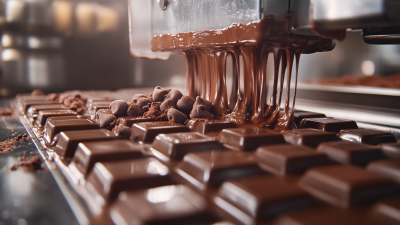
The ten main cioccolata macchinette types serve different production stages and buyer profiles. Hot chocolate dispensers suit cafés, hotels, and compact service counters. Tabletop tempering machines support small chocolatiers with limited batches. Batch tempering machines offer controlled crystallization for growing workshops. Continuous tempering machines improve consistency in larger facilities. Depositing machines fill molds, shells, and portioned products with accurate weights.
Molding machines create bars, pralines, and seasonal shapes. Enrobing machines cover centers with a controlled chocolate curtain. Coating and panning machines add layers to nuts, biscuits, or confectionery pieces. Refining and conching machines develop texture and flavor through grinding and aeration. Cooling tunnels stabilize finished products before wrapping. The ICCO Annual Report 2023/24 reported global cocoa grindings at nearly 4.8 million tonnes, showing why efficient processing remains commercially important. However, cocoa volume does not guarantee equal demand for every machine type.
Tips: Match capacity to real output, not the supplier’s maximum figure. Check temperature accuracy, cleaning time, electrical standards, and spare-part access. Buyers should request trial samples using their own recipe. A machine can look advanced yet waste material during changeovers. Food processing experience suggests that operator training often matters as much as automation. This point is easy to underestimate. Reports from PMMI also emphasize maintenance planning and line integration as major factors in packaging performance. For global buyers, local service coverage may matter more than a lower purchase price.
Capacity changes the buying decision quickly. The main types include 3–5 litre countertop units, 6–8 litre café models, 10–12 litre commercial machines, and 20–30 litre high-volume dispensers. Twin-bowl machines handle two recipes, while batch kettles suit controlled production. Bain-marie models provide gentle indirect heating. Direct-heating machines warm faster but can scorch thick chocolate. Gravity dispensers use simple valves. Pump systems manage denser recipes more evenly. Continuous mixers reduce settling during long service. The boundary is not always neat.
The International Cocoa Organization reported roughly 4.8 million tonnes of global cocoa grindings in its 2023/24 report. That volume supports steady demand, but it does not guarantee identical equipment needs. A small bakery may prefer a 5-litre unit with thermostatic heating and manual dispensing. A stadium counter may need a 20-litre hopper, dual agitators, and a high-flow pump.
Mixing speed matters. Slow agitation protects texture, while aggressive mixing may create foam.
Heating accuracy matters more than maximum temperature. Many operators target about 65–75°C, depending on the recipe and local food-service procedure.
A 2024 market assessment by Mordor Intelligence valued the global hot chocolate market at several billion U.S. dollars, reinforcing the need for dependable uptime. Still, published market estimates differ.
Buyers should test viscosity, recovery time, cleaning access, and energy use with their actual powder or couverture. A specification sheet alone can mislead.
Top 10 Cioccolata Macchinette Types for Global Buyers
How to Match Each Machine Type With Business and Service Needs
Choosing a cioccolata macchinetta starts with service speed, not appearance. A compact countertop dispenser suits cafés with limited space and steady, moderate demand. A gravity-fed unit works well where staff need quick refills during breakfast hours. For richer recipes, a bain-marie machine provides stable heat and reduces scorching. It needs careful temperature checks, however.
High-capacity floor models fit hotels, buffets, and busy dessert shops. Dual-bowl machines can serve two chocolate recipes at once, such as dark and white chocolate. Automatic dosing models help control portion size and reduce waste. Self-service machines require clear controls, drip protection, and simple cleaning access. A heated urn is useful for events, but it may struggle during long, continuous service. Compact single-pot machines suit mobile counters and small seasonal businesses. For premium presentation, a visible stirring machine keeps the mixture smooth and attractive.
Service conditions change the decision. Check local voltage, plug standards, counter depth, and replacement-part availability before ordering. Ask whether staff can remove the mixing paddle without special tools. Daily cleaning should not require an hour. That sounds obvious, yet many buyers overlook it. In my experience, operators often choose capacity too quickly and underestimate wash-up time. A larger hopper is not always better. Test the machine with your actual chocolate mix, cup sizes, and busiest service period. Some units perform beautifully with thin recipes but slow down when the mixture becomes dense. That detail can affect queues, labor, and customer experience.
| Rank | Machine Type | How It Works | Typical Working Capacity | Typical Heating and Dispensing Performance | Best Business Fit | Key Service and Maintenance Needs | Main Advantages | Important Limitations |
|---|---|---|---|---|---|---|---|---|
| 1 | Bain-Marie Continuous Stirrer | A water jacket heats the chocolate mixture indirectly while a paddle or auger keeps it moving. | Approximately 3–15 litres, depending on the countertop or floor-standing format. | Usually suited to controlled serving temperatures around 60–75°C; dispensing is generally manual through a heated tap. | Cafés, bakeries, dessert counters, hotel breakfast areas and specialty beverage outlets with steady daily demand. | Clean the bowl, tap, paddle and seals every day. Descale the water jacket according to local water hardness and inspect the thermostat and drive system. | Gentle heating reduces scorching risk; attractive product visibility; consistent texture during service. | Slower warm-up than some direct-heating designs; the water jacket adds weight and requires additional cleaning. |
| 2 | Direct-Heated Stirred Dispenser | Heating elements warm the product container directly while an agitator prevents settling and thickening. | Approximately 3–12 litres for common countertop commercial units. | Fast warm-up with thermostatic control; normally designed for repeated portion dispensing throughout a service period. | Busy cafés, quick-service restaurants and convenience locations that need compact equipment and relatively fast recovery. | Remove chocolate residue from the container, outlet and agitator daily. Check thermal cut-outs, heating elements and food-contact gaskets during scheduled servicing. | Compact footprint, straightforward operation and relatively quick heating response. | Poor temperature control or an unsuitable recipe can cause sticking, scorching or uneven viscosity. |
| 3 | Induction-Heated Stirrer | An induction system heats a compatible vessel or heating surface while mechanical stirring maintains uniformity. | Approximately 2–10 litres, with larger capacities available in commercial batch formats. | Precise electronic control is possible; actual heating speed depends on vessel material, batch size and recipe viscosity. | Premium cafés, culinary schools, hotels and operators that value controlled heating and energy management. | Keep the induction surface dry and free from spills. Inspect the vessel base, stirrer, temperature sensor and control electronics; use only compatible cookware or containers. | Good heating control, no exposed heating element in the product zone and easy changeover between recipes. | Higher purchase cost; compatibility requirements can complicate replacement of vessels or accessories. |
| 4 | Gravity-Fed Hot Chocolate Dispenser | Prepared chocolate flows from a heated hopper or bowl through a manual or semi-automatic tap using gravity. | Approximately 5–20 litres, depending on hopper size and machine layout. | Suitable for low-to-medium serving rates; flow speed depends on product viscosity, outlet size and temperature. | Buffets, self-service counters, bakeries, seasonal kiosks and locations with predictable peak periods. | Flush the outlet frequently and remove the tap for thorough cleaning. Monitor product level, temperature stability and deposits around the dispensing path. | Simple dispensing architecture, low pump complexity and easy visual monitoring of remaining product. | Very thick recipes may dispense slowly; the product must be mixed adequately to prevent settling or blockage. |
| 5 | Pump-Fed Continuous Dispenser | A food-safe pump moves hot chocolate from a heated tank to the dispensing nozzle, often with continuous agitation. | Approximately 5–25 litres; larger systems may use an external heated reservoir. | Designed for frequent portioning and consistent outlet flow, including thicker chocolate preparations. | High-volume cafés, cinemas, amusement venues, food courts and event catering operations. | Disassemble and sanitize the pump, tubing, nozzle and seals at the end of each operating cycle. Keep spare gaskets and pump components available. | Handles higher throughput and thicker recipes better than many gravity-fed units; portion control can be more consistent. | More moving parts, higher cleaning effort and greater sensitivity to dried product inside the pump or tubing. |
| 6 | Automatic Powder-to-Cup Machine | Dry chocolate powder and water are dosed automatically, mixed in a chamber and delivered directly into a cup. | Usually measured by powder hopper size and daily output rather than a liquid tank; common hoppers hold several kilograms of powder. | Fast individual preparation with programmable portion sizes; suitable for controlled self-service or staff-operated dispensing. | Offices, transport hubs, hotels, workplace canteens and locations where recipe consistency and labour reduction are priorities. | Clean the mixing chamber, powder chute, whisk, drip tray and water circuit regularly. Descale the water system and protect powder from humidity and clumping. | Low product waste between servings, repeatable dosing and no large batch of finished chocolate held for long periods. | Requires compatible powders and reliable water quality; recipes may have less artisanal texture than freshly prepared liquid chocolate. |
| 7 | Single-Serve Capsule or Pod Machine | A sealed portion of chocolate ingredients is opened or brewed with heated water to produce one serving at a time. | Determined by the capsule or pod format; commonly designed for one serving per cycle rather than bulk holding. | Short preparation time with electronic portion control; output is generally limited by the cycle time and water-heating capacity. | Hotel rooms, offices, small cafés, premium lounges and low-volume locations prioritizing convenience. | Clean the brew chamber, outlet and drip tray. Descale the water circuit, replace water filters where applicable and manage used capsules or pods. | Minimal product handling, consistent portions and limited cross-contact between recipes when sealed portions are used. | Higher consumable cost per serving; dependent on capsule or pod availability and usually less suitable for high-volume service. |
| 8 | Hot Chocolate Vending Machine | An automated cabinet stores powder or liquid ingredients, heats water or product and dispenses a programmed drink without continuous staff operation. | Ingredient storage and output vary widely; many units are configured for dozens to several hundred servings between refills. | Designed for unattended or lightly attended service, with programmable cup size, strength and temperature settings. | Rail stations, hospitals, universities, factories, shopping areas and other high-footfall sites operating extended hours. | Requires scheduled sanitation, hopper cleaning, waste-bin emptying, water-system descaling and inspection of payment, refrigeration or telemetry modules where installed. | Long operating hours, labour efficiency, configurable menus and useful sales data on connected models. | Higher installation and service complexity; site security, payment systems, ventilation and reliable utilities must be considered. |
| 9 | Batch Chocolate Kettle | A larger heated vessel prepares a batch of chocolate beverage or dessert sauce, usually with an agitator and controlled discharge. | Approximately 10–100 litres or more, depending on the production scale and vessel design. | Optimized for batch preparation rather than instant serving; heating time and output depend on batch size and recipe solids. | Central kitchens, hotels, caterers, dessert producers and large foodservice operations with scheduled production runs. | Requires documented cleaning procedures, inspection of agitator seals and valves, temperature verification and preventive maintenance of heating controls. | High batch capacity, efficient production planning and suitability for recipes that need extended mixing or cooking. | Needs more floor space and trained operators; holding time must be managed carefully for quality and food safety. |
| 10 | Multi-Tank Modular System | Two or more independently controlled tanks provide separate chocolate recipes, flavours or service temperatures in one integrated installation. | Commonly 2–4 tanks with approximately 3–15 litres per tank, though larger configurations are available. | Supports simultaneous service of different recipes, such as dark, milk, white or spiced chocolate preparations. | Large cafés, hotels, dessert bars, buffets and venues serving multiple chocolate options during the same period. | Each tank, tap, agitator, pump and product line must be cleaned separately. Maintain clear labelling to reduce allergen and recipe cross-contact risks. | Menu flexibility, improved peak-time service and the ability to separate recipes with different viscosities. | Higher capital cost, larger footprint and substantially more cleaning, parts inventory and operator training. |
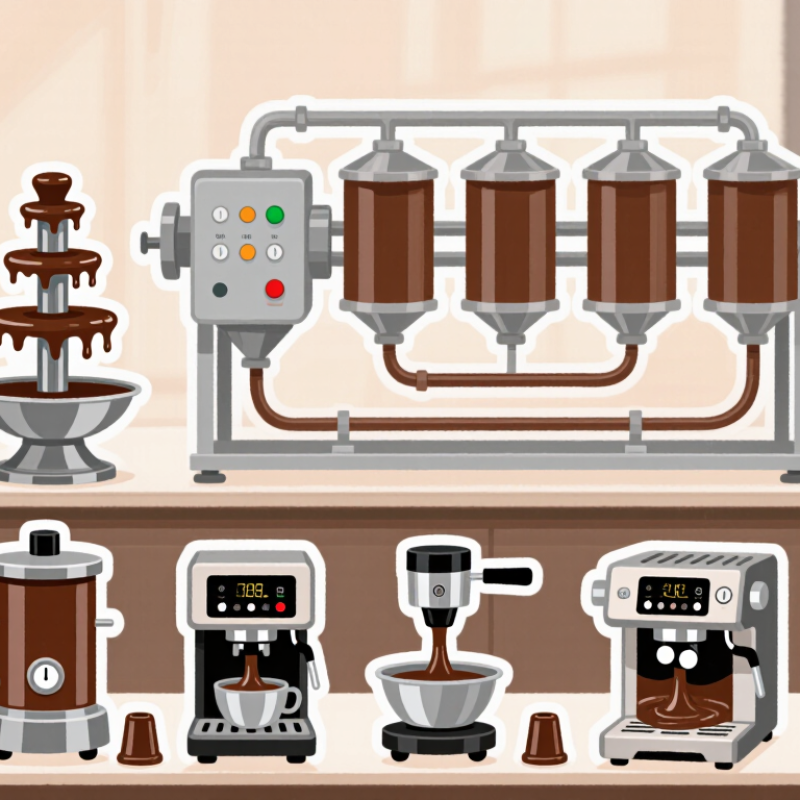
Global buyers can choose among countertop, floor-standing, single-bowl, double-bowl, batch, continuous, dispenser, automatic, manual, and portable machines. Each type suits different serving volumes and spaces. A countertop model fits a small café, while a double-bowl unit supports two recipes. An open paddle design may simplify cleaning. That detail matters.
Safety comes first. Check electrical voltage, grounding, thermal protection, and emergency shutoff functions. Food-contact parts should use suitable stainless steel or approved materials. Certification requirements vary by destination. Buyers may need CE, UKCA, UL, or other recognized compliance evidence. Always verify the certificate’s scope, testing date, and matching model number. I would not treat a certificate as proof of perfect quality.
Maintenance affects daily reliability and real cost. Ask whether the bowl, gasket, paddle, and heating element can be removed without special tools. A machine that needs ten minutes of cleaning may save labor every evening. Drain valves should resist clogging from thick chocolate residue. Request spare-part prices and technician response times before ordering. The cheapest purchase can become expensive after repeated heating failures. One weakness remains: suppliers sometimes provide unclear energy data. Measure actual power use during a full service day, not only from the brochure. Compare purchase price, shipping, certification, cleaning labor, repairs, and expected lifespan. A careful cost model is less exciting, but more trustworthy.
Utilizziamo i cookie per migliorare l'esperienza utente. Per maggiori informazioni, consulta la nostra Cookie Policy.