2026 Top Countertop Chocolate Tempering Machine Suppliers?
Choosing among the 2026 top countertop chocolate tempering machine suppliers requires more than comparing prices and polished product photos. A reliable supplier should explain tempering curves, working capacity, temperature accuracy, agitation quality, cleaning steps, warranty coverage, and local technical support. These details matter when a small bakery must hold stable chocolate at 31–32°C while producing glossy pralines, molded bars, or thin coating shells.
Peter P. Greweling, a respected confectionery educator and author, describes tempering as “the controlled heating and cooling of chocolate to form stable cocoa butter crystals.” That principle guides this review. The best suppliers should provide machines that reach working temperature steadily, recover quickly after chocolate is added, and display readings clearly beside the bowl. A quiet motor also matters during long production shifts. Small details become expensive problems.
Our comparison examines manufacturers serving professional kitchens, pastry schools, chocolatiers, and growing dessert businesses. We will consider bowl volume, stainless-steel construction, programmable controls, scraper design, cleaning access, energy use, and after-sales training. Supplier credibility will also matter. Published specifications should match real operating conditions, not only laboratory claims.
No machine is perfect. Some compact models save space but limit batch size. Others offer strong automation but require specialized servicing. That trade-off deserves honest attention. This guide aims to identify dependable options for every workflow, including the temperatrice cioccolato da banco category, while encouraging buyers to verify certifications, service availability, and total ownership costs before ordering.
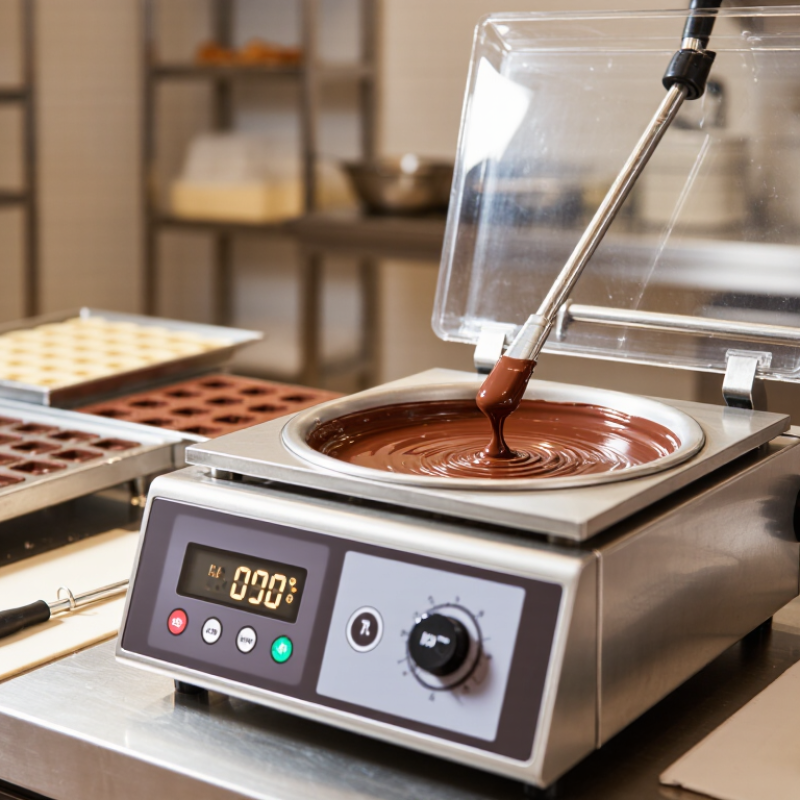
What Is a Countertop Chocolate Tempering Machine?
What Is a Countertop Chocolate Tempering Machine?
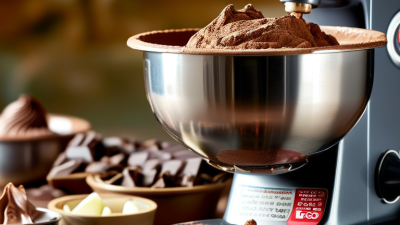
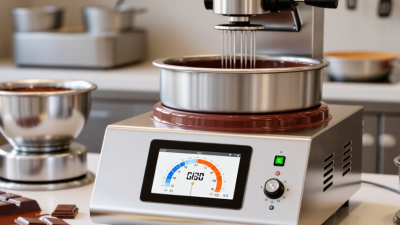
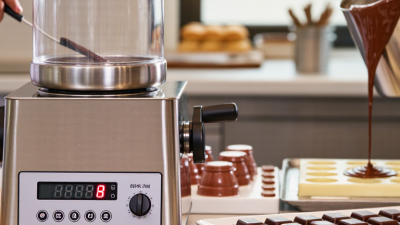
A countertop chocolate tempering machine is a compact unit that melts, cools, and gently agitates chocolate. It controls temperature to form stable beta crystals. These crystals create a glossy finish, clean snap, and slower bloom. Most units suit small confectionery kitchens, pastry counters, training rooms, and product testing areas.
Temperature control is the core function. Dark chocolate commonly works near 31–32°C, while milk chocolate needs about 29–30°C. White chocolate often requires about 28–29°C. Exact settings vary with cocoa butter, recipes, and room temperature. A digital display helps, but a calibrated probe remains wiser. Displays can drift. I have seen operators trust the screen too much.
The machine supports measured production rather than guesswork. The International Cocoa Organization reported roughly 4.46 million tonnes of cocoa production and 4.86 million tonnes of grindings for 2023/24. That imbalance reinforces the need to reduce remelting, waste, and handling errors. Grand View Research estimated the global chocolate market at about 127.9 billion dollars in 2023, with projected growth near 7% annually through 2030. That growth increases demand for flexible, space-saving equipment, especially among smaller producers. However, capacity labels can mislead. A listed five-kilogram bowl may not temper five kilograms efficiently. Actual performance depends on batch size, chocolate viscosity, ambient heat, and operator discipline. Insulation, easy cleaning, stable stirring, and accessible temperature controls matter more than impressive specifications.
Leading Countertop Chocolate Tempering Machine Suppliers
2026 Top Countertop Chocolate Tempering Machine Suppliers?
Leading Countertop Chocolate Tempering Machine Suppliers
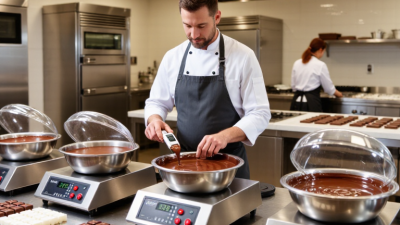
Leading countertop chocolate tempering machine suppliers offer more than compact equipment. They provide stable temperature control, clear operating guidance, and responsive technical support. Experienced pastry teams usually check heating accuracy, bowl capacity, cleaning access, and cooling performance before purchase. A countertop unit should fit beside a mixer without blocking preparation space. It should also maintain chocolate near working temperature during repeated batches. Small details matter. A poorly placed drain or narrow bowl can slow production every afternoon.
Tips: Ask suppliers for temperature testing records, service response times, and spare-part availability. Request a practical demonstration with dark, milk, and white chocolate. Compare recovery time after adding unmelted chocolate. Check whether the controls remain readable near steam and flour. These questions reveal expertise better than polished product photos.
Reliable suppliers explain limitations honestly. Some machines perform well with couverture but struggle with very small batches. Others provide strong heating but require more manual stirring. That is not automatically a flaw. It becomes a problem when sales teams hide it. Look for suppliers with documented specifications, trained technicians, and clear warranty terms. Independent feedback from chocolatiers can help, although online reviews sometimes lack useful detail. A careful buyer should measure available counter space, daily output, and operator skill before choosing. The cheapest option may become expensive through inconsistent temper, wasted chocolate, and delayed orders.
2026 Countertop Chocolate Tempering Machine Supplier Benchmark
This chart shows standard chocolate tempering temperature targets used when evaluating countertop machines. A suitable machine should support accurate heating, cooling, and working-temperature control for dark, milk, and white chocolate.
How to Evaluate Supplier Quality, Support, and Pricing
Choosing a countertop chocolate tempering machine supplier in 2026 requires more than comparing listed prices. During production trials, check whether the machine holds stable temperatures while chocolate moves through the bowl. Ask for calibration records, food-contact material details, and a live demonstration with your preferred couverture. A polished video is not enough. Small temperature swings can create dull surfaces, weak snaps, and wasted batches.
Supplier quality also appears in documentation. Reliable suppliers provide clear manuals, cleaning procedures, spare-part lists, and traceable warranty terms. Request references from kitchens with similar daily output. Ask practical questions: How quickly are faults acknowledged? Who diagnoses sensor errors? Are replacement pumps stocked locally? Test the response before purchasing. Silence is useful evidence.
Pricing should include the full operating cost, not only the invoice. Compare energy use, shipping, installation, training, maintenance, and possible downtime. A cheaper unit may become expensive when a sensor issue stops production for two days. I used to focus too heavily on purchase price. That was a mistake. Still, premium support does not guarantee perfect service. Put response times and service scope in writing, then arrange an independent temperature check after installation. Supplier evaluation should balance measurable performance with honest communication.
Best Machine Choices for Different Chocolate Businesses
2026 Top Countertop Chocolate Tempering Machine Suppliers?
Choosing the right countertop tempering machine depends on the business model, not only heating capacity. A home-based chocolatier may need a compact 3–6 kg bowl, simple controls, and easy cleaning. A boutique shop usually benefits from 6–12 kg capacity, digital temperature stability, and a removable basin.
Small details matter.
A narrow nozzle can reduce chocolate waste during molding.
The global chocolate market is projected to grow at about 7% annually through 2030, according to Grand View Research. This growth encourages more small producers to enter premium confectionery.
For cafés and teaching kitchens, suppliers should offer machines with quick heat recovery and clear operating instructions. For online businesses, steady tempering matters more than decorative features.
A machine that holds chocolate within roughly 0.5°C can support more consistent gloss and snap, although real performance depends on room temperature and operator habits.
Higher-volume confectionery businesses may need 12–24 kg countertop systems, stronger agitation, and service support. The PMMI packaging automation research highlights continuing investment in flexible equipment for changing production needs. That trend applies here, but flexibility can increase maintenance.
I would not choose the largest machine automatically. Oversized equipment may waste energy and leave chocolate sitting too long.
Supplier evaluations should include warranty terms, spare-part availability, cleaning time, and local technical training.
One overlooked issue is noise. A quiet machine is valuable when customers stand nearby.