2026 Top Plastic Injection Molded Parts for Global Buyers?
In the bustling world of manufacturing, the demand for Plastic Injection Molded Parts continues to rise. As per a recent report by Grand View Research, the global plastic injection molding market is expected to reach $400 billion by 2026. This surge highlights the importance of innovation and adaptability in the industry.
Industry expert Dr. Jane Smith, a leading authority on injection molding technology, once stated, "The future of plastic injection molded parts lies in sustainable practices and advanced materials." Her insight reflects the ongoing shift towards environmentally friendly solutions. Buyers must consider not only cost and quality but also the ecological impact of their choices.
As global buyers look for reliable suppliers, the focus is increasingly on precision and durability of Plastic Injection Molded Parts. Companies must invest in advanced technologies to remain competitive. However, challenges like fluctuating raw material prices and technological integration remain pertinent. The industry's ability to navigate these hurdles will define its future trajectory.
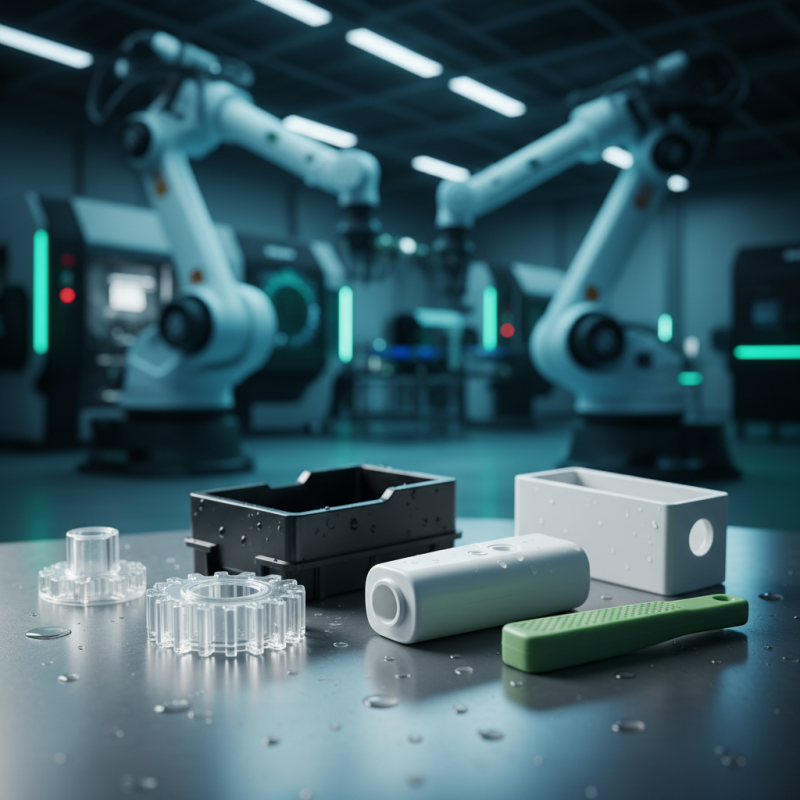
Key Trends Influencing Plastic Injection Molded Parts in 2026
The landscape for plastic injection molded parts is evolving rapidly. By 2026, market analysts predict a substantial growth, with an estimated market value surpassing $300 billion. Key trends are shaping this growth. A significant trend is sustainability. More manufacturers are turning to biodegradable plastics. Reports indicate that the bioplastics market could reach $25 billion by 2026. This shift responds to consumer demand for eco-friendly products.
Another trend is automation in production. Advanced robotics and AI are enhancing efficiency. Reports suggest that automation can increase production speed by 30%. Yet, this transition requires substantial investment. Companies must weigh immediate costs against long-term benefits. Training workers to adapt to new technologies is crucial. Ignoring this could lead to a skills gap in the workforce.
Tip: Stay updated on sustainable practices. Implementing eco-friendly processes can give companies a competitive edge. Evaluate your current production methods regularly. Adaptation is key in this dynamic industry. Emphasizing quality while moving towards automation can be challenging, but it's essential for success in 2026.
Top Industries Utilizing Plastic Injection Molded Parts for Manufacturing
Plastic injection molded parts play a crucial role in various industries. According to recent industry reports, the global market for these parts is projected to reach $345 billion by 2027. This growth highlights the importance of these components in manufacturing processes.
The automotive industry is one of the top users of plastic injection molded parts. In 2021, around 30% of all plastic parts produced were used in vehicles. Lightweight and durable, these parts help improve fuel efficiency and lower emissions. However, there are challenges, such as the need for more sustainable materials to replace traditional plastics.
Additionally, the consumer electronics sector significantly benefits from plastic injection molding. The demand for lightweight enclosures and complex geometries drives innovation. Recent studies show a 15% increase in demand for these components in the electronics market alone. Despite these advancements, quality control remains a critical issue. Inconsistent production processes can lead to defects, impacting product performance and consumer satisfaction.
Innovative Materials for Advancements in Injection Molding Technology
The landscape of injection molding is changing rapidly with innovative materials emerging. In recent years, engineers have focused on enhancing the efficiency and durability of molded parts. The global plastic injection molding industry is projected to reach $385 billion by 2027, driven by these advancements. Innovative materials like bio-based plastics and composites are leading this growth.
Bio-based plastics are derived from renewable resources, reducing environmental impact. Reports indicate that the adoption of such materials can decrease carbon footprints by up to 50%. Composites, combining plastics with other materials, can improve strength and flexibility. These innovations cater to industries such as automotive and aerospace, where performance is critical.
However, challenges persist. The availability of raw materials can be inconsistent, impacting production schedules. Moreover, while these advanced materials offer benefits, their higher costs often deter smaller manufacturers from adopting them. Balancing cost and performance remains a tough task for many in the industry. As the demand for sustainable and high-performance components grows, overcoming these obstacles will be crucial.
Considerations for Selecting Suppliers of Plastic Injection Molded Parts
Selecting suppliers for plastic injection molded parts requires a careful approach. Quality assurance is critical because minor defects can cause major production issues. Evaluate supplier certifications to ensure they meet industry standards. Experience counts; suppliers who have worked with diverse industries often solve problems faster. Transparency in communication helps avoid misunderstandings about design and delivery timelines. Sometimes, a supplier might appear reliable but fail to meet deadlines consistently. This can cause costly delays, so vigilance is necessary.
Tips: Visit the supplier’s facility if possible. Seeing their equipment and workflow reveals much about their capabilities. Ask about their process control methods and quality checks. Real-world insights often differ from marketing materials.
Cost matters, but avoid sacrificing quality to save money. Low prices may hide use of inferior materials or outdated technology. It’s a frequent issue buyers regret later. Opt for suppliers who balance price with proven expertise. After all, the molded parts must function flawlessly within your product’s design limits.
Tips: Request sample parts and inspect them thoroughly. Test for durability, surface finish, and dimensional accuracy. Don’t hesitate to ask for a trial order or small batch first. This step helps uncover hidden risks before committing to large volumes.
Future Projections for the Global Market of Plastic Injection Molded Parts
The global market for plastic injection molded parts is evolving rapidly. Projections indicate significant growth in various industries, including automotive and electronics. These sectors demand precision-engineered parts that can withstand rigorous performance tests. The increasing push for lightweight materials is also influencing designs. Companies are exploring innovative techniques to enhance durability while reducing costs.
Sustainability is becoming a focal point. More buyers seek eco-friendly alternatives. Biodegradable plastics and recycled materials are gaining popularity. This shift reflects consumer values and regulatory changes. Despite these advancements, challenges remain. Quality control can be inconsistent, leading to production delays. Companies may struggle to balance cost and innovation while adhering to sustainability standards.
Market trends show a rising interest in automation. Advanced processes may increase efficiency and reduce waste, yet the initial investment can be daunting. Producers must weigh the long-term benefits against upfront costs. As these dynamics unfold, continuous adaptation is essential for growth and competitiveness in the plastic injection molding industry.
2026 Top Plastic Injection Molded Parts for Global Buyers
| Category | Projected Market Growth (%) | Key Applications | Region | Market Size (Billion USD) |
| Automotive Parts | 5.2% | Dashboard Components, Exterior Fittings | North America | 15.4 |
| Consumer Goods | 6.3% | Kitchenware, Electronics Enclosures | Asia-Pacific | 12.7 |
| Medical Devices | 7.8% | Syringes, Surgical Tools | Europe | 8.9 |
| Industrial Applications | 4.5% | Components for Machinery, Housings | Latin America | 4.2 |
| Packaging | 6.0% | Bottles, Containers | Middle East & Africa | 9.5 |